









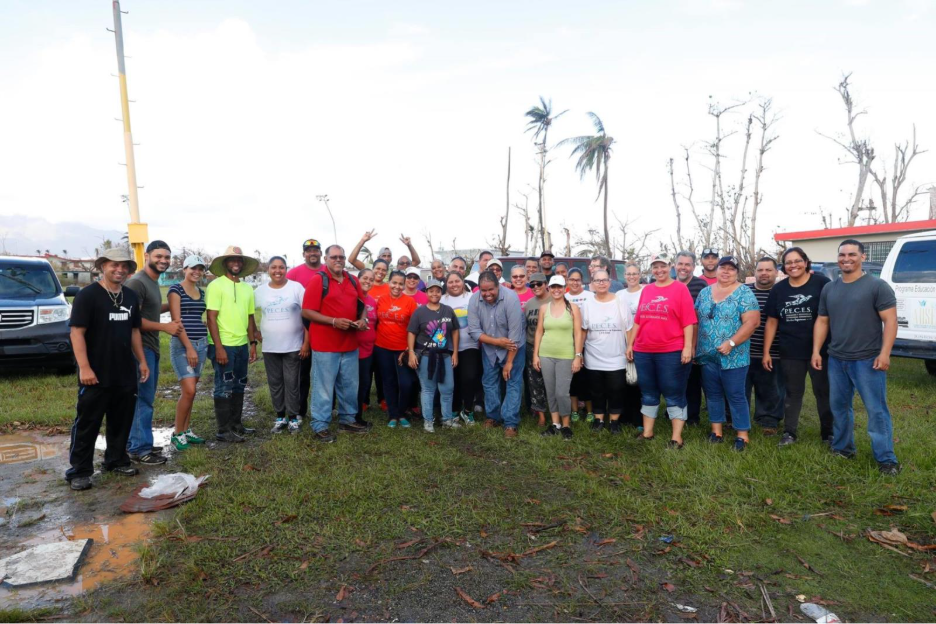
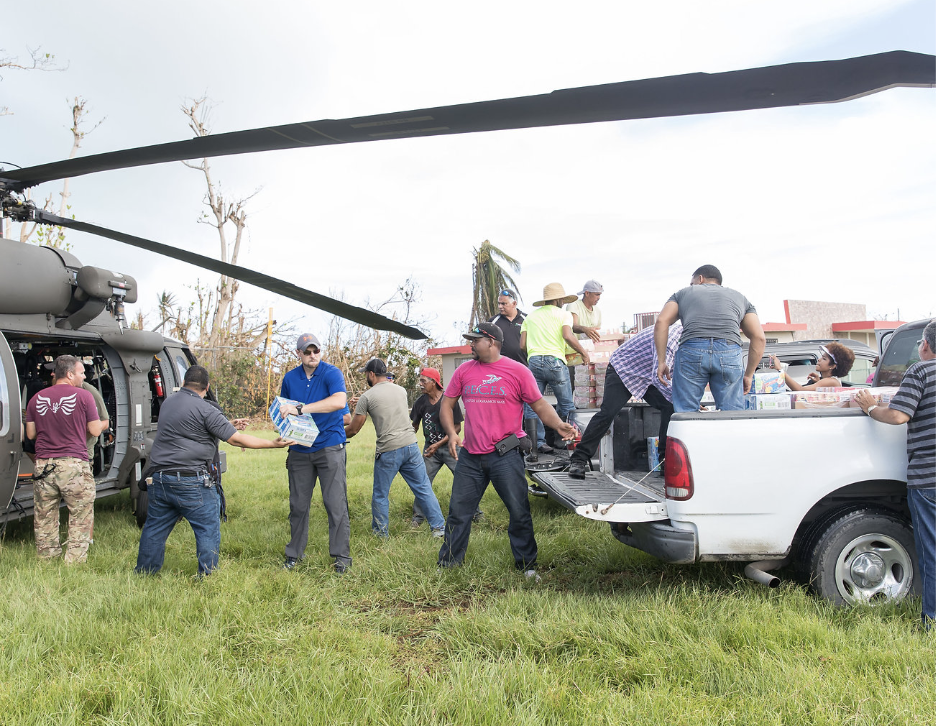
When Hurricane María hit Puerto Rico in 2017, it left behind widespread destruction—no power, destroyed homes, and thousands dead. Many people felt abandoned by the government. But some local groups stepped up to take care of their neighbors when official help never came.
In a new study published in Geoforum, the authors explore how two community groups—PECES and Comedores Sociales—helped people recover in ways that were deeply rooted in care, cooperation, and social justice. Kevon Rhiney, RCEI Affiliate and Associate Professor in the Department of Geography, is a co-author on this study, along with his graduate student, Laurian Rosa Rosa.
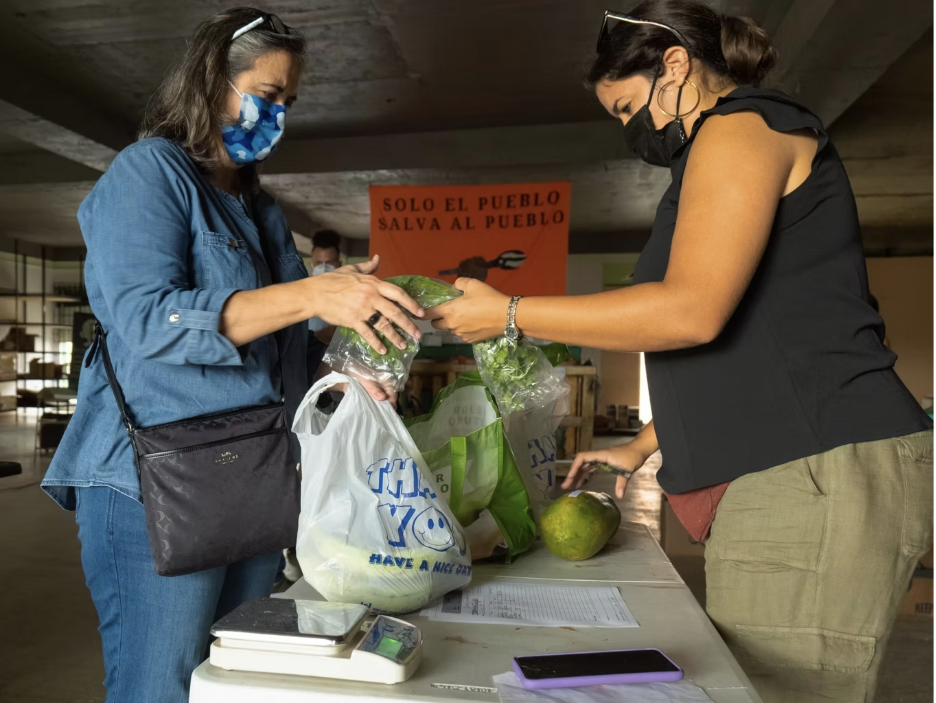
These community groups didn’t just provide short-term help. PECES (Programa de Educación Comunal de Entrega y Servicio), based in a hard-hit coastal town, offered food, cleaned streets, rebuilt homes, offered job training and small business programs, and continued the operations of their alternative high school. Comedores Sociales took over an abandoned building in Caguas, a city in central eastern Puerto Rico, and turned it into a center where people could get healthy food, basic services, and build new systems of mutual support.
Unlike top-down government plans, these local groups focused on working together, listening to what people actually needed, and building long-term solutions. The study shows that their version of “resilience” isn’t just about bouncing back—it’s about building stronger, fairer communities that are less dependent on broken systems.
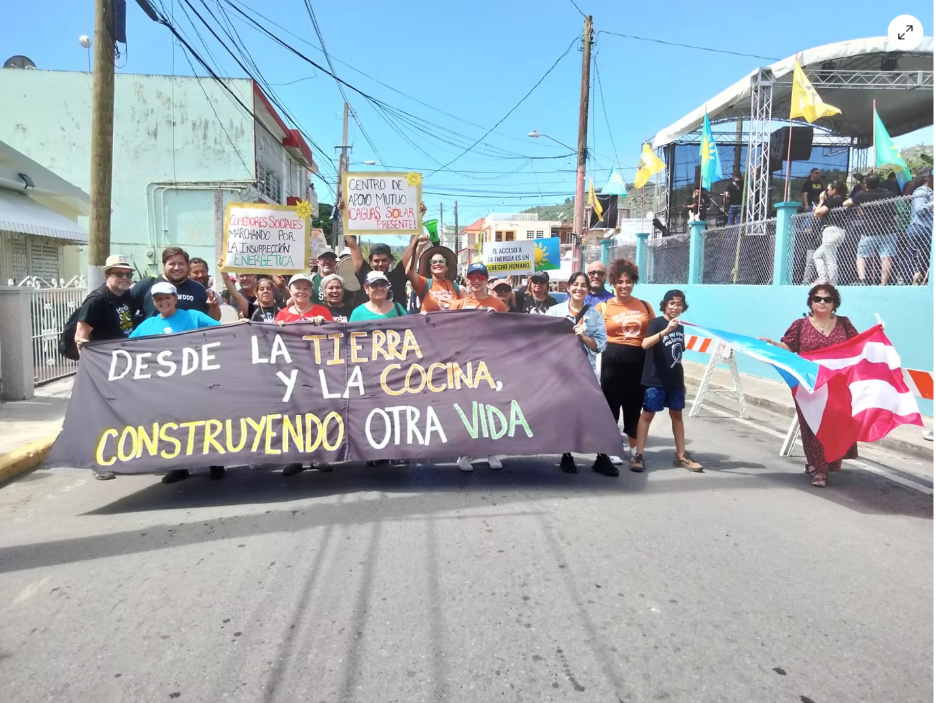
The authors also point out that Puerto Rico’s struggles after the hurricane are deeply tied to its history as a U.S. colony. Years of economic hardship, poor infrastructure, and government neglect made the storm’s impact much worse.
“This study helps show the inherent capacity of local communities to lead and build resilience through collective action, even when government bodies fall short—but they shouldn’t have to do it alone,” said Rhiney. “We hope this work inspires new thinking around how to support grassroots solutions that truly help people recover, prepare, and thrive in the face of future climate disasters.”
This research is especially important as climate change continues to cause more frequent and intense storms. Understanding how local communities can drive recovery may help shape better policies and emergency responses in the future.
You can read the full study here: https://doi.org/10.1016/j.geoforum.2025.104315
This article was written with assistance from Artificial Intelligence, was reviewed and edited by Oliver Stringham, and was reviewed and edited by Kevon Rhiney and Laurian Rosa Rosa, co-authors on the study.
Related posts:
 Micronesia’s Pohnpei State Endorses Landmark Food Security Policy Developed in Collaboration with SEBS Science Team
 Curiosity Cultivates Solar Solutions: Innovating Agrivoltaics for a Sustainable Future
 Rutgers Global Grant Awardee Jack Harris Develops Study Abroad Course on Scottish Sustainability
 Postdoc Wants to Help People Understand Hurricanes and Improve Prediction of Dangerous Storms