



An article from WHYY reports that the Trump administration’s Department of Energy (DOE) has canceled more than $7.5 billion in clean energy project funding, disproportionately affecting Democratic-led states such as Delaware and New Jersey. The move, which Democrats have condemned as politically motivated, slashes funding for hundreds of renewable energy initiatives—including solar, wind, and hydrogen projects—and could lead to higher energy costs and stalled innovation in affected regions.
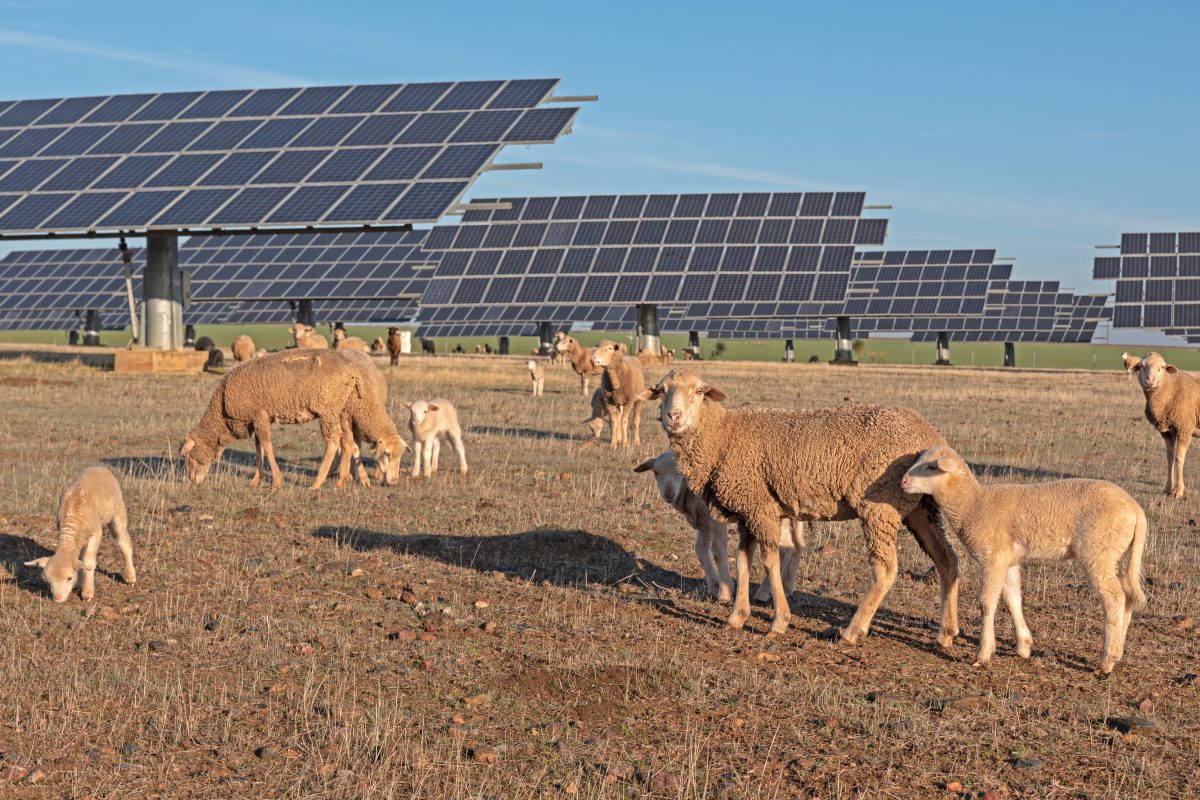
Among the projects hit by the cuts is a Rutgers University agrivoltaics research initiative that explores how crops like tomatoes and eggplants can be cultivated beneath solar panels to optimize land use and energy production. Dunbar Birnie, RCEI Affiliate and a professor at Rutgers, said the team is struggling to keep the project afloat following the loss of federal support: “We’re now having to beg for internal funding to continue some of the work,” Birnie explained, underscoring how limited university resources make it difficult to sustain research at its original scale.
Ethan Schoolman, RCEI Affiliate and an assistant professor at Rutgers, also emphasized the broader impacts of the DOE’s decision, noting that Delaware State University—a historically Black institution and project partner—lost a portion of its funding as well. “They were really excited about it,” Schoolman said of DSU’s planned outreach and experimental research site. “It was kind of a big deal for them to have this grant.” His remarks highlight the collateral effects of the cuts on both academic collaboration and equitable access to clean energy innovation.
Overall, the funding cancellations have drawn sharp criticism from regional leaders and researchers alike, who argue that the move undermines state-level progress on renewable energy and disproportionately harms communities already working toward sustainable development.
Read the full article here.
Related posts:
 Cows and Solar Panels? In a New Jersey First, Project Melds Farming With Electricity Generation
 Curiosity Cultivates Solar Solutions: Innovating Agrivoltaics for a Sustainable Future
 Rutgers Tests Renewable Energy System for Agrivoltaics Project on Cook Campus
 Leading Light Wind, an American-Led Offshore Wind Project, Awarded Contract by State of New Jersey