











Many climate change solutions can help nature, water, food systems, and human health at the same time, but only if they are designed and managed in holistic ways. A new study shows that a range of climate actions have positive effects across all these areas, including planting forests to sustainable agricultural practices to changing what we eat.
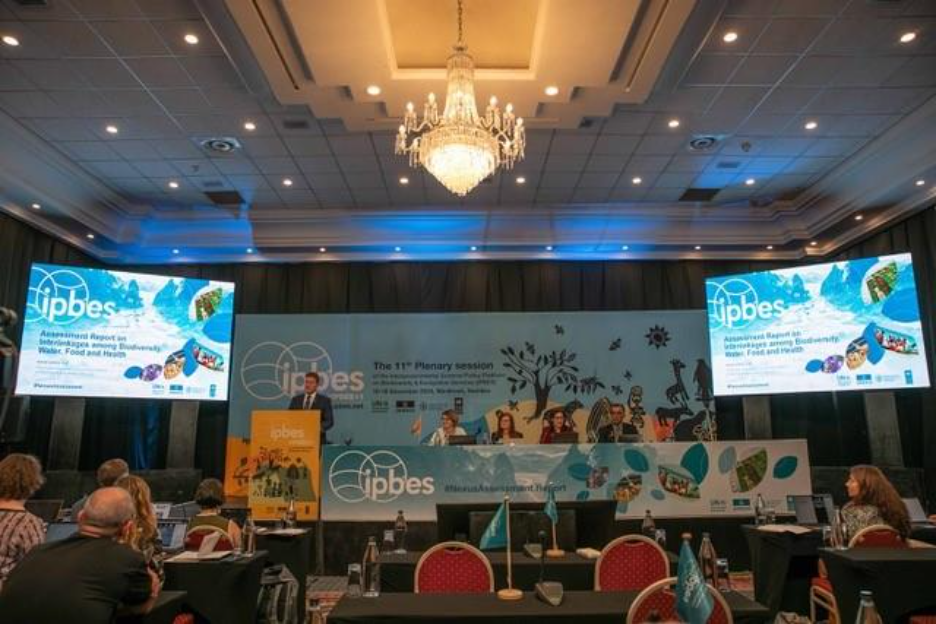
Pamela McElwee, RCEI Affiliate and Professor in the Department of Human Ecology co-authored this research published in Global Change Biology. The paper was an outcome of work done for the Intergovernmental Science-Policy Platform on Biodiversity and Ecosystem Services (IPBES) Nexus Assessment, which McElwee co-chaired from 2021-2024. The new study summarized the evidence for 69 different ways to fight climate change across five major areas where changes are needed: land and ocean management, energy systems, cities and buildings, industrial practices, and social behaviors. They scored each climate solution based on how it affected biodiversity (including state and function of ecosystems), water quality and availability, food production, human health, and effectiveness for both climate mitigation and adaptation.
The good news? Many solutions help across the board, as 59% of the solutions the team examined had positive benefits for nature and people. For example, sustainable farming practices like agroecology improve soil health, protect wildlife, use water efficiently, produce healthy food, and benefit farmers’ livelihoods. Eating less meat in wealthy countries, reducing food waste, and protecting forests all showed similar synergistic benefits.
However, some energy solutions like solar and wind power were more complicated. While they help reduce climate-changing pollution and improve air quality, they can sometimes affect land use or wildlife if not planned carefully and designed to avoid trade-offs. For instance, solar panels on rooftops don’t compete with farming, but large solar farms on fertile land might, while wind turbines installed in improper areas can affect some mobile species like birds and fish. However, the study emphasizes that any biodiversity impacts from renewable energy installations are still much less harmful than continuing to burn fossil fuels, which contributes far more to the degradation of ecosystems and decline of species and populations.
“The key finding is that we don’t have to choose between fighting climate change and protecting nature or producing food,” said McElwee. “When done right, integrated climate solutions can improve people’s lives while healing the planet. This research can help policymakers design programs that deliver multiple benefits instead of solving one problem while creating others.”
The study highlights that involving Indigenous communities and local people in planning is essential. These groups often understand how to manage land and resources in ways that benefit both people and nature, but their knowledge is frequently overlooked in policy decisions.
This research provides the scientific evidence to help communities and governments make smarter choices about fighting climate change while protecting the things we all depend on: clean air and water, healthy food, and thriving ecosystems.
You can read the full study here: https://doi.org/10.1111/gcb.70444
This article was written with assistance from Artificial Intelligence, was reviewed and edited by Oliver Stringham, and was reviewed by Pamela McElwee, a co-author on the study.
Related posts:
 Report Urges Global Leaders to Address Environmental, Social and Economic Crises Comprehensively
 Micronesia’s Pohnpei State Endorses Landmark Food Security Policy Developed in Collaboration with SEBS Science Team
 How Nature Can Make Urban Dwellers Healthier
 Department of Human Ecology Professors McElwee and Shwom Awarded NSF Planning Grant to Develop a Center on Sustainability and Governance in the Anthropocene