



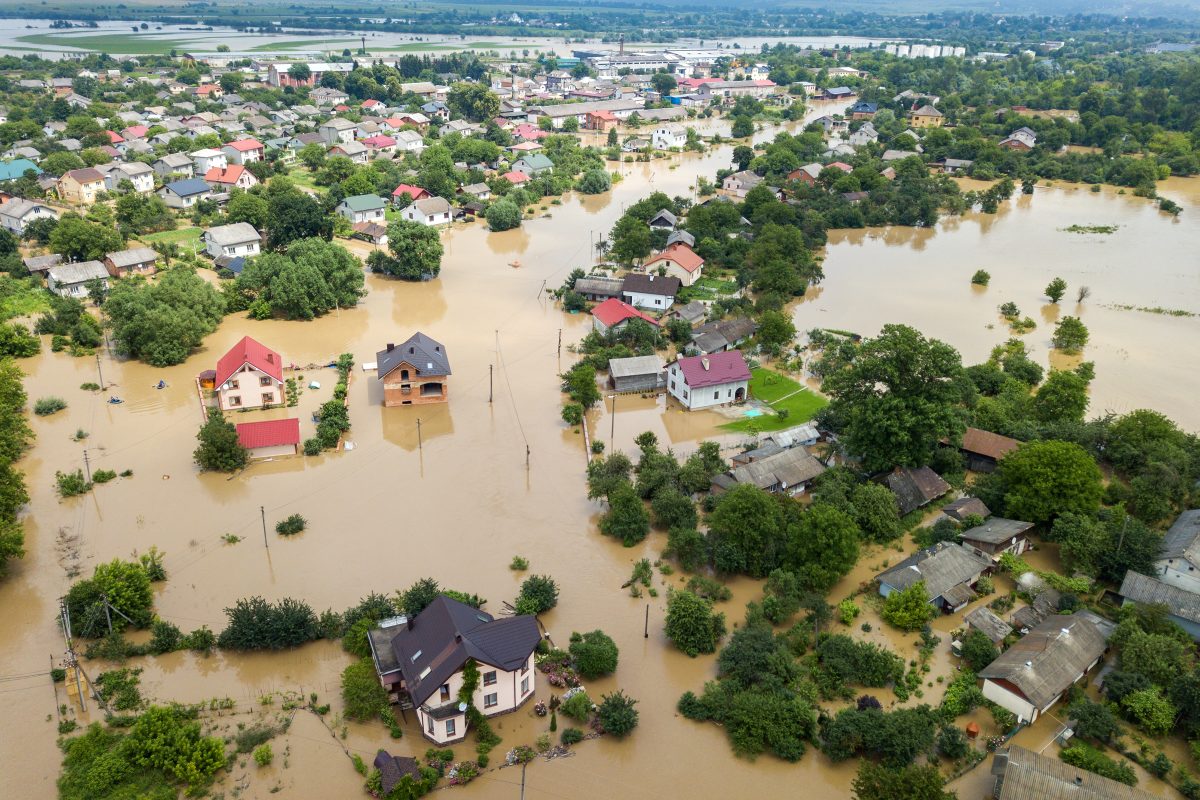
A new study published in Risk Analysis examines how residents and government officials in flood-prone communities—specifically Ortley Beach, New Jersey—view rebuilding and relocation after major storms like Superstorm Sandy. The research explores how climate beliefs, political affiliations, and worldviews influence decisions about whether public funds should support staying in or leaving high-risk coastal areas.
The study, led by Rutgers University researchers, revealed that while all groups agreed on the economic burdens of adaptation measures such as home elevation and insurance increases, they differed on how to respond. Residents and higher-level officials (state and federal) tended to favor long-term adaptation options, including voluntary buyouts and nature-based solutions. Local officials, however, prioritized rebuilding high-value properties to preserve the tax base despite rising risks.
Robert Kopp, RCEI Affiliate, Distinguished Professor in the Department of Earth and Planetary Sciences and Clinton Andrews, RCEI Affiliate, Distinguished Professor at the Edward J. Bloustein School of Planning and Public Policy are co-authors on the study.
The authors argue that while U.S. disaster aid and insurance programs have historically encouraged rebuilding in risky areas, this strategy may no longer be sustainable. They recommend using tools like property buyouts and diversified local revenue streams to strengthen community resilience. As the study concludes, demonstrating the long-term economic benefits of relocation over rebuilding could be key to helping vulnerable communities adapt to the realities of climate change.
Read the full article from EurekAlert here.
Related posts:
 Andrews Explains How Climate Risks Impact Insurance in NJ
 The Most Cost-Effective Approaches to Protect Against Rising Seas Are Flexible, Adaptable
 Researchers to Examine Los Angeles Wildfires and Their Implications for Public Health
 Micronesia’s Pohnpei State Endorses Landmark Food Security Policy Developed in Collaboration with SEBS Science Team