



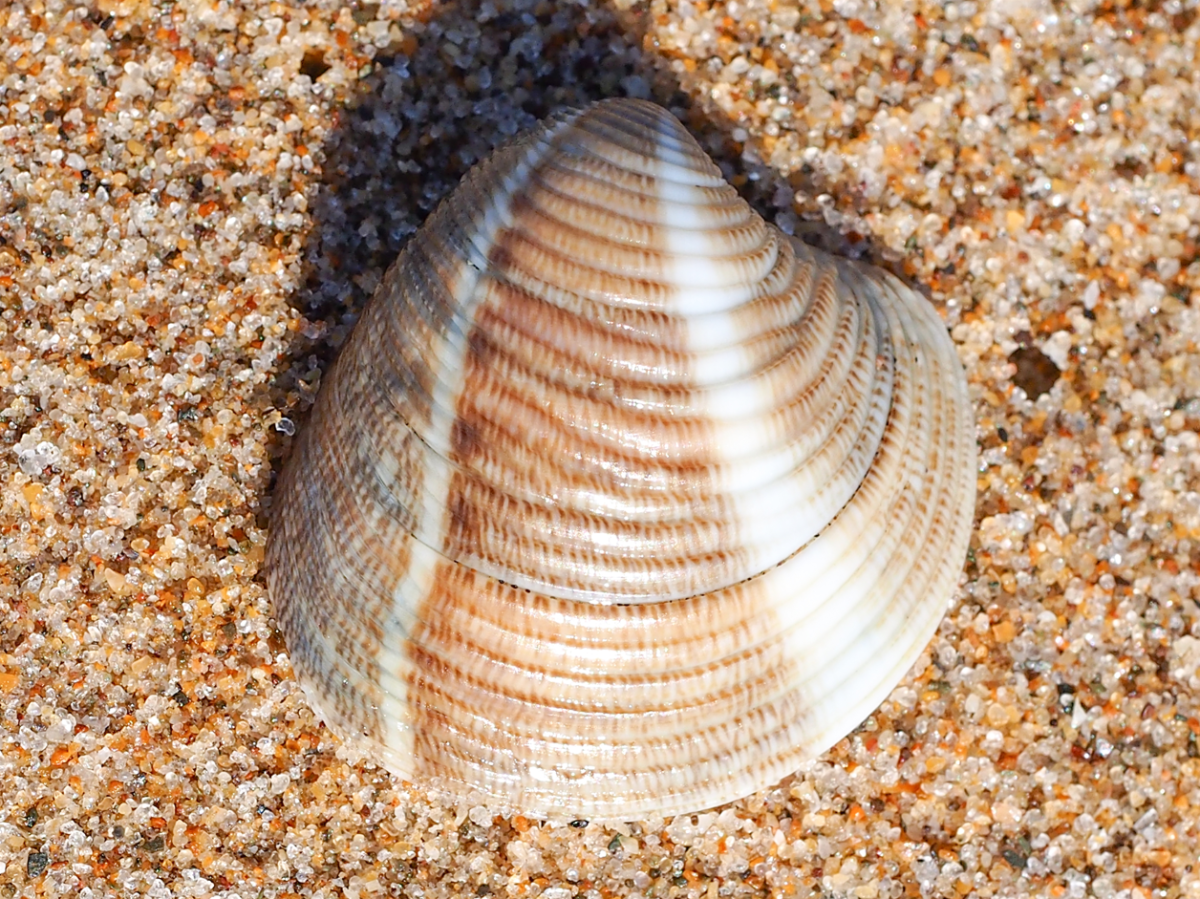
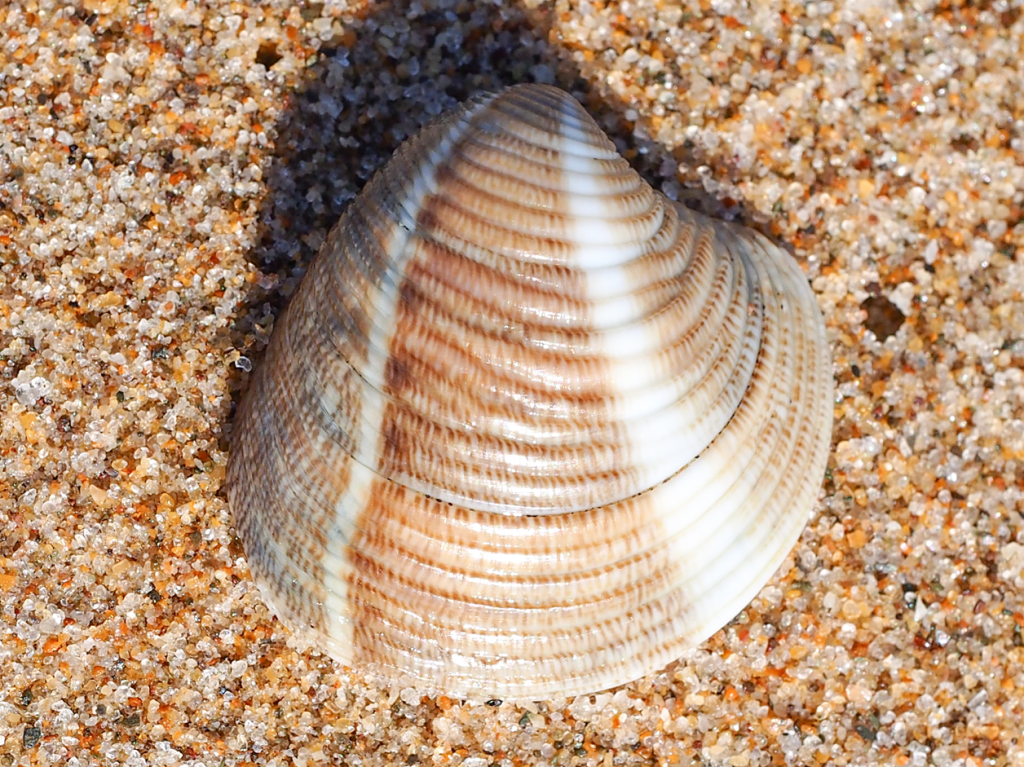
A new study reveals that warmer oceans thousands of years ago slowed the growth of an important clam species in the Adriatic Sea—giving us a glimpse into how marine life might react to future climate change.
Fiorella Prada, RCEI Affiliate, is a co-author on the study, which was published in the journal Scientific Reports. Read the full study here.
The authors of the study looked at the striped Venus clam (Chamelea gallina), a species that lives in the shallow waters of the Northern Adriatic Sea and is both economically and ecologically important. These clams are also sensitive to changes in temperature, making them a good species to study how ocean warming affects marine life.
The team compared modern clam shells to fossil shells from about 6,000–7,600 years ago, during a time known as the Holocene Climate Optimum. Back then, ocean temperatures were about 1.5°C warmer than they are today—similar to what scientists expect later this century due to climate change.
They found that clams from that warmer period grew more slowly and had denser shells. This slower growth meant the clams took about three months longer to reach maturity compared to today’s clams. That matters because slower growth could reduce the number of clams that survive long enough to reproduce, potentially hurting future populations.
The results suggest that rising ocean temperatures could negatively impact the growth and survival of this species. Because Chamelea gallina is an important species for Italy’s local fisheries, future ocean warming from climate change could negatively impact the communities that depend on these clams.
This article was written with assistance from AI, was reviewed and edited by Oliver Stringham, and was reviewed by Fiorella Prada, a co-author on the study.
Related posts:
 Surf Clams Off the Coast of Virginia Reappear – and Rebound
 Extreme Monsoon Changes Threaten the Bay of Bengal’s Role as a Critical Food Source
 Rutgers Scientists Observe Unusual Ocean Conditions Possibly Linked to Mortality in Marine Life off New Jersey
 Mettler’s Woods Brought Under Additional Protection of National Organization