



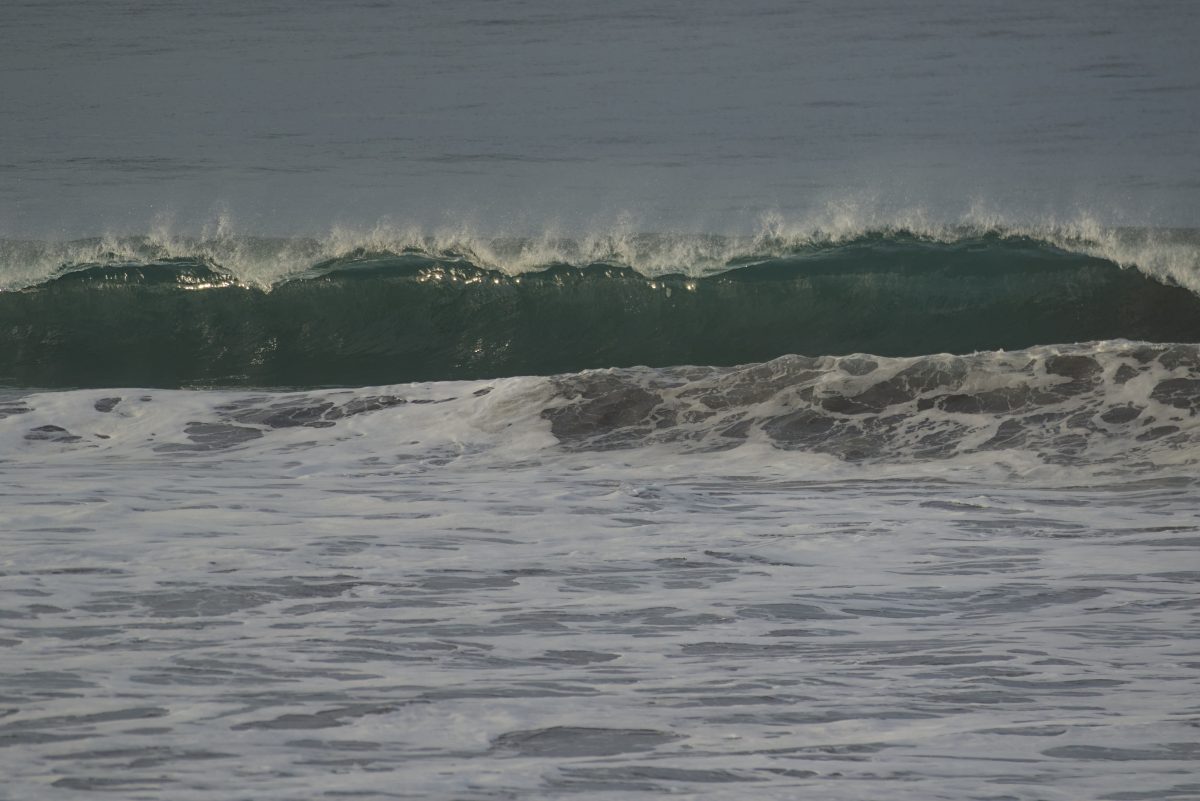
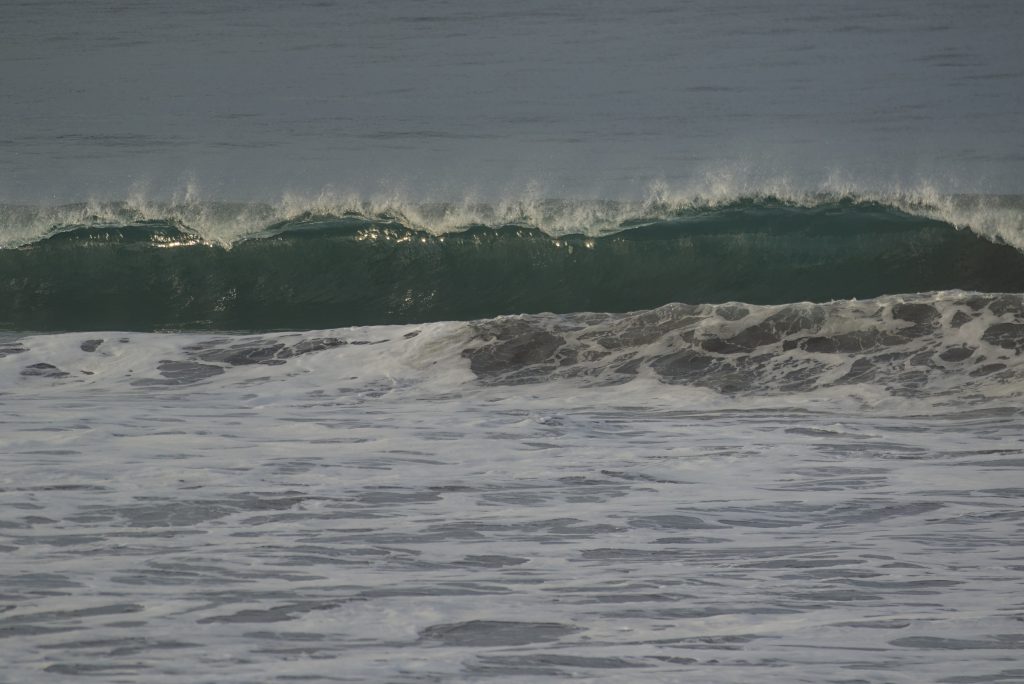
An article from Asbury Park Press explores whether wave power could become New Jersey’s next renewable energy source, as scientists and policymakers consider options to meet rising electricity demand while reducing dependence on fossil fuels. With about 140 miles of coastline, the state has significant potential to harness ocean energy — but cost, technology, and environmental concerns remain major challenges.
Onur Bilgen, RCEI Affiliate, a Rutgers University professor in the Department of Mechanical and Aerospace Engineering and an expert on hydrokinetic turbines, explained that wave power offers a consistent and abundant energy source compared to wind and solar. “There’s an immense amount of power available along our coasts,” Bilgen said, noting that, in theory, U.S. coastal wave energy could generate 2.64 trillion kilowatt hours annually — about 63% of the nation’s total utility-scale electricity generation in 2023.
However, Bilgen cautioned that the ocean is one of the hardest environments on machines, emphasizing challenges such as corrosion from salt water and biofouling from marine life. He identified cost as the largest obstacle, as wave energy remains more expensive to capture than wind or solar. To make the technology more competitive, Bilgen suggested simplifying permitting processes, expanding the materials supply chain, and investing in production at scale: “Yes, more research is needed, but that doesn’t mean that the technology is not ready… wider implementation of these systems in larger numbers will just basically make things better and cheaper.”
The article also notes ongoing legislative and research efforts — including a New Jersey bill to study wave energy and national initiatives such as the Department of Energy’s TEAMER Program — while highlighting environmental groups’ concerns about the potential impact of large-scale marine energy systems on ocean ecosystems.
Read the full article here.
Related posts:
 With Global Ambitions, Rutgers Engineers and Scientists Launch Wind Energy Research Center
 Wind Energy Conference Highlights Rutgers’ Role as Hub for Innovation and Collaboration
 Leading Light Wind, an American-Led Offshore Wind Project, Awarded Contract by State of New Jersey
 Cows and Solar Panels? In a New Jersey First, Project Melds Farming With Electricity Generation