









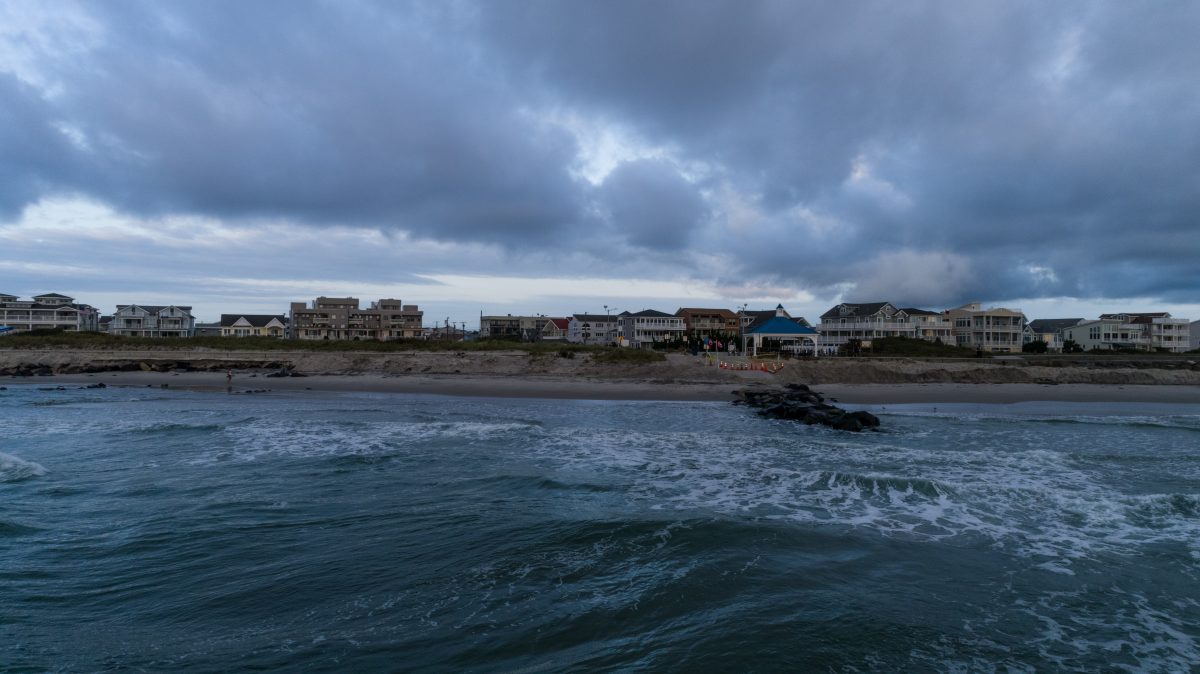
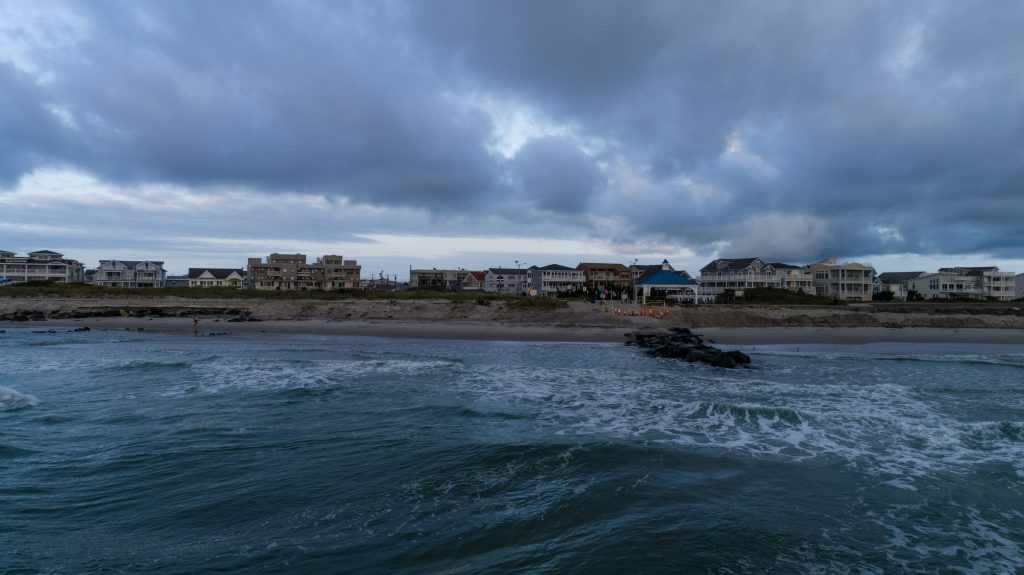
An article from Asbury Park Press highlights a new Rutgers University Climate Change Resource Center report warning that New Jersey’s climate is becoming increasingly extreme, with hotter summers, heavier rainfall, and worsening flooding. The report shows that New Jersey is warming at twice the global average rate, with 2024 recorded as the second hottest year in the state’s history. These changes are expected to intensify over the coming decades, bringing challenges such as sea level rise, stormwater flooding, and health risks from mosquito-borne diseases.
David Robinson, RCEI Affiliate, New Jersey State Climatologist and co-author of the report, emphasized that the state has experienced significant warming in recent decades, noting, “We were really cooking back in 2024.” Robinson also explained that a warmer atmosphere can hold more moisture, leading to more extreme rain events.
James Shope, RCEI Affiliate, a climate change adaptation expert and co-author, stressed that New Jersey has already warmed by about 4 degrees since 1900, compared to about 2 degrees globally. He warned that hotter conditions mean wetter winters, drier summers, and rising risks of both flooding and drought. Shope added that sea level along New Jersey’s coast has risen 19 inches since 1911 and could rise 2 to 5 feet more by 2100, which would greatly worsen storm surge impacts.
Anthony Broccoli, RCEI Affiliate, a Rutgers professor of atmospheric science and co-author, highlighted that inland communities are also vulnerable. He explained that warming oceans fuel stronger tropical systems, which can bring devastating rainfall and river flooding far from the coast.
Together, the affiliates underscore that New Jersey must prepare for a future shaped by increasingly volatile weather, with significant consequences for infrastructure, public health, and communities statewide.
Read more at the full article published by app.
Related posts:
 Analyzing Impact of Climate Flooding Images and Political Cues in News Coverage
 United Nations Panel Selects Three Rutgers Researchers as Lead Authors on Next Global Climate Report
 Rising Temperatures and Poor Air Quality Signal Future Impacts
 Andrews Explains How Climate Risks Impact Insurance in NJ