



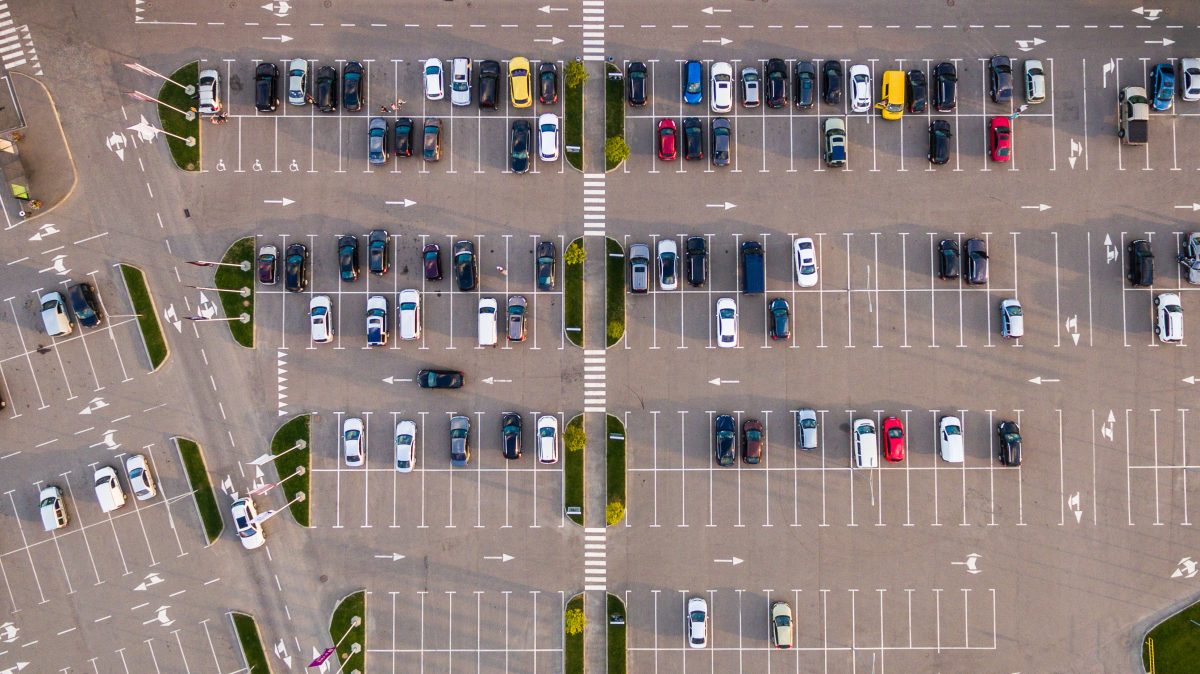
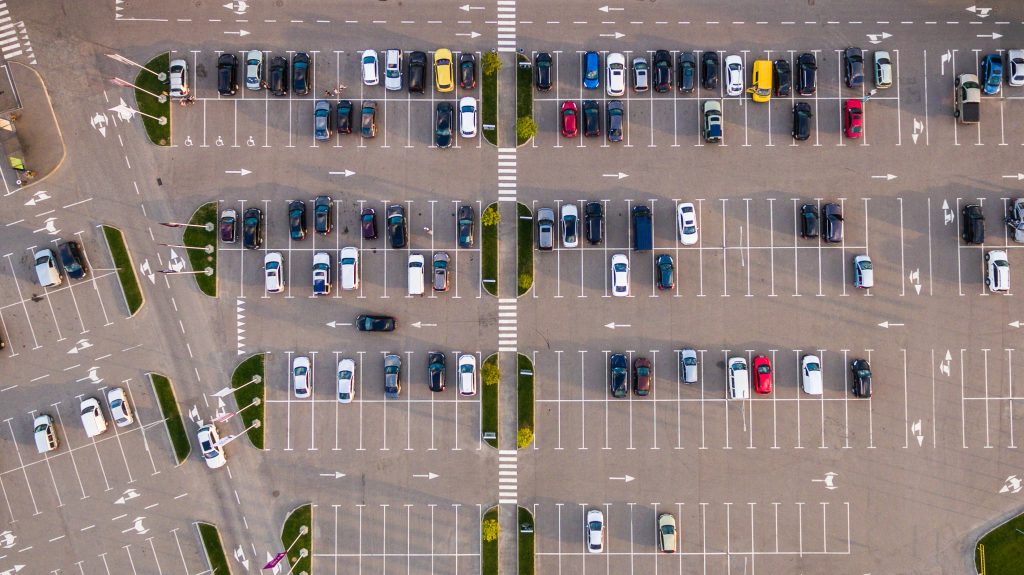
Finding a parking spot at a busy shopping mall or waiting to charge an electric vehicle can be frustrating. A new study published in IEEE Transactions on Intelligent Transportation Systems explores how to make these everyday challenges easier. The authors developed a computer framework called ‘Multi-Personality Multi-Agent Meta-Reinforcement Learning’, which helps transportation systems adapt faster and coordinate better. You can read the full study here.
Ruo-Qian (Roger) Wang, RCEI Affiliate, Associate Professor in the Department of Civil and Environmental Engineering, is a co-author on the study.
The research tested the framework on two problems: directing cars to open parking spots and managing charging stations for electric trucks. In both cases, the new system outperformed traditional approaches. It cut down the time it takes to guide cars to parking spaces and reduced the waiting times for trucks at charging stations.
Instead of relying on a single decision-making method, the framework uses “personalities”—different strategies ranging from cautious to adventurous. A built-in selector chooses which personality works best in each situation. This helps the system avoid bad choices and adjust quickly when conditions change, like during unexpected congestion or when new vehicles enter the network.
These improvements matter for climate change because efficient parking and charging can lower fuel use. Shorter wait times for drivers also mean less idling, which helps cut emissions. Other added benefits include reducing traffic congestion and making electric vehicle infrastructure more reliable.
The work is especially relevant to New Jersey, where daily life can be heavily dependent on cars, making transportation efficiency a critical issue. With state policies pushing for growth in electric vehicle adoption, the demand for charging stations is increasing quickly. Smarter systems like this could help New Jersey manage EV infrastructure more efficiently while also improving everyday driving experiences in malls, cities, and highways across the state.
“This work shows how AI-based coordination in transportation can directly reduce energy waste and improve everyday experiences for drivers. By making systems more adaptive, we can help cities plan for a more efficient future,” said Wang.
This article was written with assistance from Artificial Intelligence, was reviewed and edited by Oliver Stringham, and was reviewed by Ruo-Qian (Roger) Wang, a co-author on the study.
Related posts:
 The Biggest Barrier to a Vibrant Second-Hand EV Market? Price
 Half of New Jerseyans Oppose Electric Vehicles Mandate, See Environmental and Health Advantages but Economic Drawbacks
 New Way to Keep the Power On: Smarter Use of Local Energy
 Helping People Spot Greenwashing: A New Tool to Tell Truth from Hype