








In a recent study published in ISME Communications, researchers discovered five brand-new species of cold-loving bacteria in the Arctic tundra of northern Finland. Lee Kerkhof, RCEI Affiliate, Professor in the Department of Marine and Coastal Sciences, and Max Häggblom, RCEI Affiliate, Distinguished Professor in the Department of Biochemistry and Microbiology, were co-authors on the study done in collaboration with Minna Männistö, Senior Scientist at the Natural Resources Institute Finland. Anil Kumar, Postdoctoral Associate with Dr. Häggblom and Kerkhof led the genome analysis of the novel species. You can read the full study here.
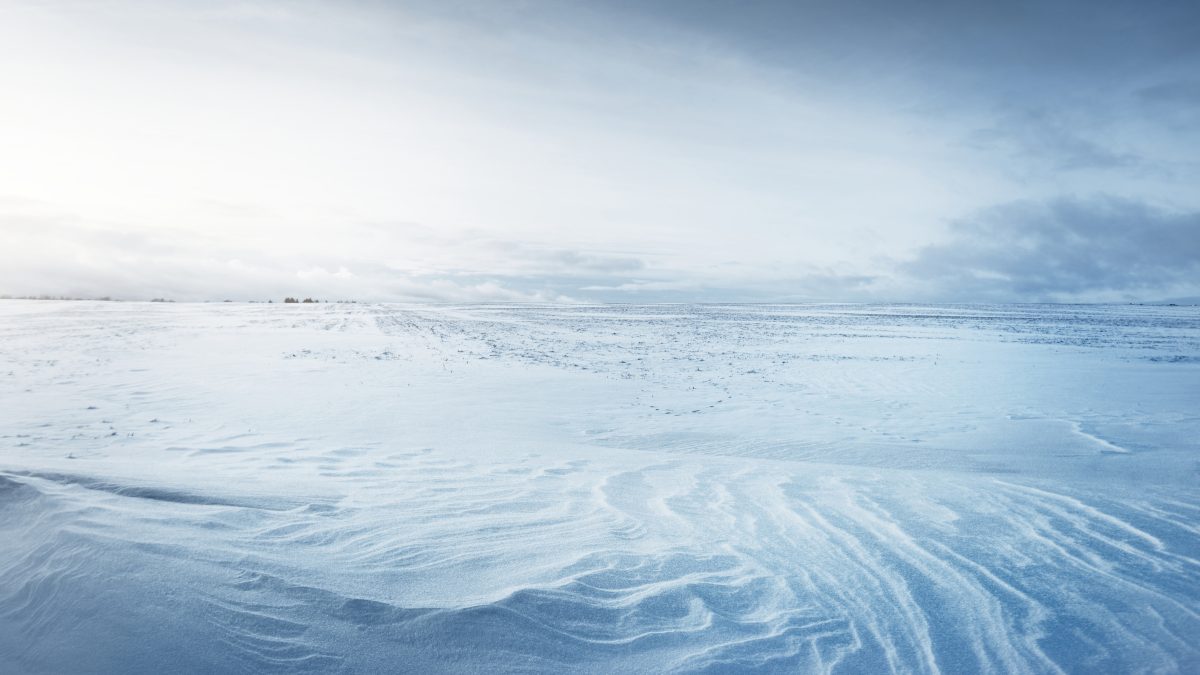
The team focused on bacteria from the genus Mucilaginibacter, known for breaking down complex plant materials. These microbes live in the tundra’s frozen soils, where they endure extreme cold, seasonal freeze–thaw cycles, and limited nutrients. The five newly identified species are well adapted to survive and thrive in these harsh conditions.
Why does this matter for climate change? Arctic soils store massive amounts of carbon locked in frozen plant matter. As the Arctic warms, microbes like these become more active, breaking down organic material and releasing greenhouse gases into the atmosphere. Understanding which microbes are present and what they can do helps scientists better predict how much carbon could be released in a warming world.
The study revealed that these new species have genes for breaking down tough plant compounds, handling cold stress, and even producing natural antimicrobial chemicals. They can also take in nitrogen in multiple forms, a valuable skill in nutrient-poor tundra soils. These traits make them important players in the Arctic’s carbon and nutrient cycles.
“By identifying these new bacteria, we can better understand the hidden processes controlling carbon release in the Arctic. This knowledge can guide climate models and help policymakers plan for the impacts of a warming climate,” said Häggblom.
Beyond climate science, the work adds to our understanding of microbial diversity and adaptation. Insights from these bacteria might one day inspire new biotechnologies, from waste treatment to natural product development.
This article was written with assistance from Artificial Intelligence, was reviewed and edited by Oliver Stringham, and was reviewed and edited by Max Häggblom, co-author on the study.