








An article from The Banner Newspaper discusses how large corporations like Microsoft use public relations and branding strategies to shape public perceptions of their environmental impact, even as their emissions continue to rise. The piece centers on a lecture delivered by RCEI Affiliate Melissa Aronczyk, a Professor of Media Studies at Rutgers University and co-author of A Strategic Nature: Public Relations and the Politics of American Environmentalism.
In her talk, Aronczyk explained that Microsoft’s participation in NYC Climate Week—despite a reported 23.4% increase in its greenhouse gas emissions since 2020—illustrates what she calls a “branding problem.” She said, “Microsoft wants to make sure we are still associating their brand with climate action and sustainability in our minds. They want us to be thinking ‘Microsoft and sustainability,’ not ‘Microsoft and climate disaster.’”
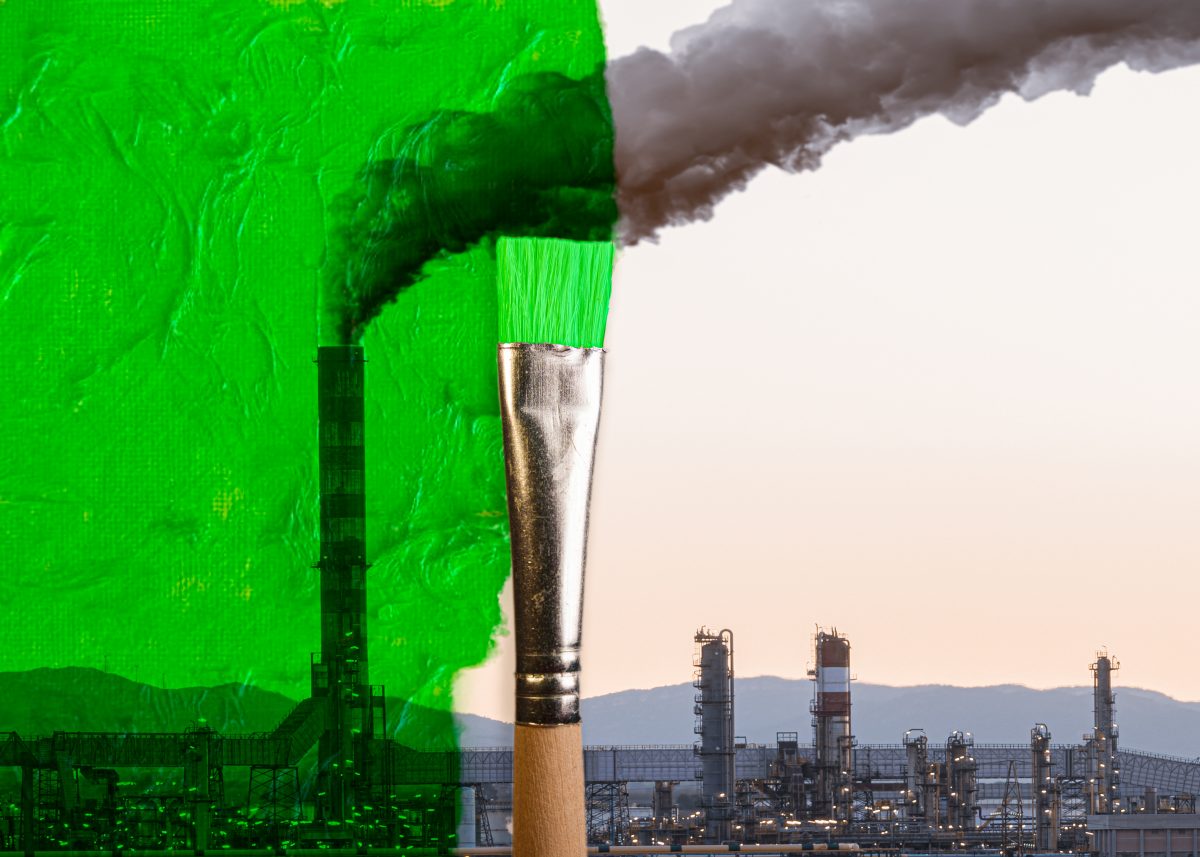
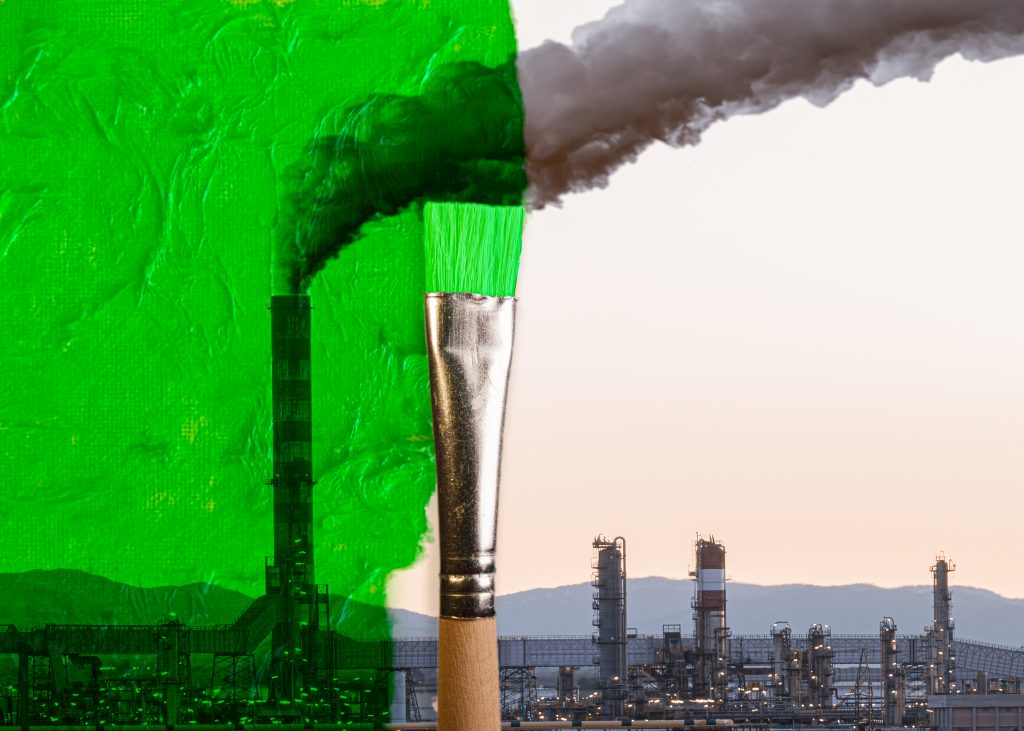
The article details Aronczyk’s broader critique of “greenwashing”—corporate efforts to appear environmentally responsible while continuing polluting practices. She drew historical parallels to how fossil fuel companies in the 1980s funded campaigns to sow doubt about climate science, emphasizing that such tactics distort the public’s understanding and hinder collective climate action.
Aronczyk also discussed the limits of individual environmental efforts, noting that “what people do at an individual scale will never compare to the positive change that would occur if companies changed their production process.” She argued that shifting responsibility onto consumers distracts from the systemic change needed to address corporate pollution.
Her lecture further examined how visual imagery and advertising shape emotional responses to climate change, potentially fostering fear and “eco-anxiety.” She encouraged reframing these emotions into collective action rather than despair.
Read the full article here.