



An article from Inside Climate News examines how powerful winter storms can trigger dangerous coastal flooding in New Jersey—highlighting that nor’easters, not just hurricanes, pose serious risks to the state’s densely populated shoreline.
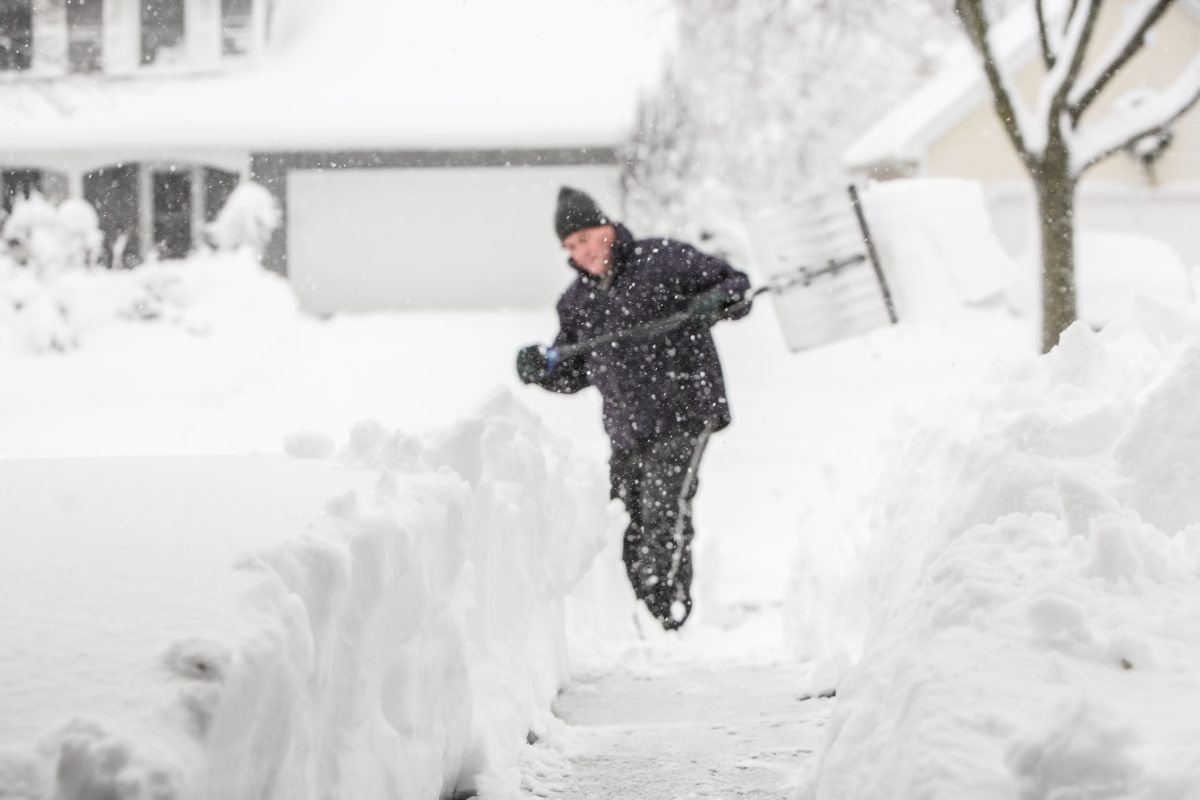
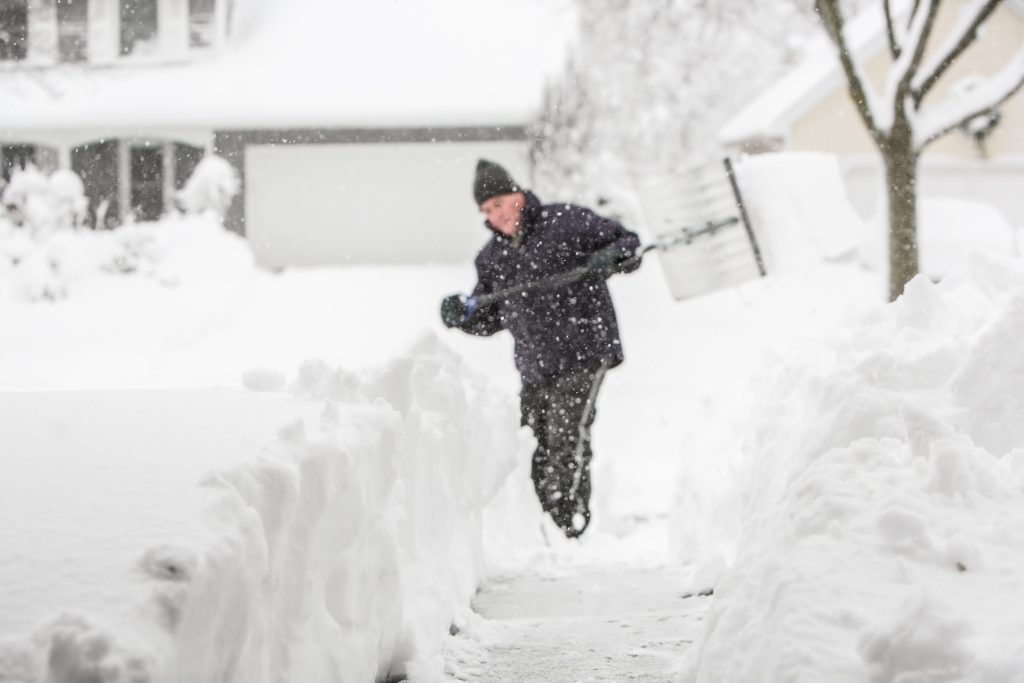
The story focuses on a recent blizzard that blanketed New Jersey with more than two feet of snow and brought strong winds that caused flooding in places like Atlantic City. While winter storms are often viewed primarily as snow events, the article explains that in coastal states like New Jersey, they can simultaneously produce storm surge and coastal inundation. With nearly 1,800 miles of shoreline and the highest highway density per square mile in the country, New Jersey faces compounded risks: transportation paralysis inland and flooding along the coast.
Anthony Broccoli, RCEI Affiliate, distinguished professor of atmospheric science at Rutgers University and director of the Center for Environmental Prediction, provides expert insight throughout the piece. His research focuses on climate system changes and the mechanisms driving them, including human-caused warming.
Asked whether he was surprised by the severity of this winter’s storms, Broccoli emphasized how rare the precise conditions for major snowfall can be: “Storms of this size are not common. Snowfall is kind of a capricious type of event because you need to have just the right combination of a storm, plenty of moisture, and just enough cold to allow the precipitation to fall in the form of snow.” His explanation underscores how even slight temperature shifts—such as a mild day preceding the storm—can influence whether precipitation falls as rain or snow.
Importantly, Broccoli highlights that nor’easters can generate coastal flooding much like hurricanes.
“One of the things that maybe New Jersey residents don’t think about enough is that it’s not just hurricanes like Hurricane Sandy that are a threat for coastal flooding, but nor’easters like the storm we’re having right now.”
He explains that strong northeast winds can push water toward the coast, elevating water levels by as much as two feet above normal. While snow itself does not directly intensify coastal flooding, it compounds the difficulty of emergency response and recovery.
The article also situates the storm within the broader context of climate change. Addressing claims that cold, snowy winters disprove global warming, Broccoli responds clearly: “Climate change is not going to abolish cold and snow.” He notes that while long-term warming trends reduce the frequency of cold extremes, they do not eliminate them. Instead, climate change “is skewing the odds in favor of more places being warmer than average and fewer places being colder than average”.
He further explains that a warmer atmosphere can hold more moisture, meaning that when storms do occur, they may produce heavier rain or snowfall. Although research suggests nor’easters may be strengthening, he cautions that scientists are still working to determine how climate change will affect specific regions like New Jersey in the future.
Overall, the article underscores the complex risks facing New Jersey: densely developed coastlines, extensive infrastructure, and evolving climate dynamics make the state particularly vulnerable to compound hazards from winter storms. Through his expert analysis, Broccoli helps clarify both the science behind these events and the misconceptions that often arise during extreme weather.
Read the full article here.
Related posts:
 New Jersey Salt Marsh Sediments Offer Evidence of Hurricanes Back to the 1500s
 From Watching the Weather to Tracking Earth’s Temperature: How Snow Days Led to a Distinguished Career as an Atmospheric Scientist
 Winter storm doesn’t disprove climate change, despite President Trump’s claim. Scientists explain why.
 Analyzing Impact of Climate Flooding Images and Political Cues in News Coverage