








An article from Centraljersey.com explores a question many New Jersey residents may have wondered about during blustery days: Is the state actually getting windier? The piece examines the science behind measuring wind, the challenges of identifying long-term trends, and why understanding wind patterns matters for issues like drought, wildfires, bird migration, and climate change. Wind forms when air moves from …
Trump Is Attacking Climate Science. Scientists Are Fighting Back.
An article from The New Republic written by RCEI affiliate Robert Kopp examines how the second Donald Trump administration has systematically targeted U.S. climate science infrastructure—while researchers mobilize to defend and preserve it. The piece begins by explaining that for more than 75 years, the United States has led the world in climate research, launching major modeling centers and building …
Scientists Document Fight Against Basil Disease in New Video Series
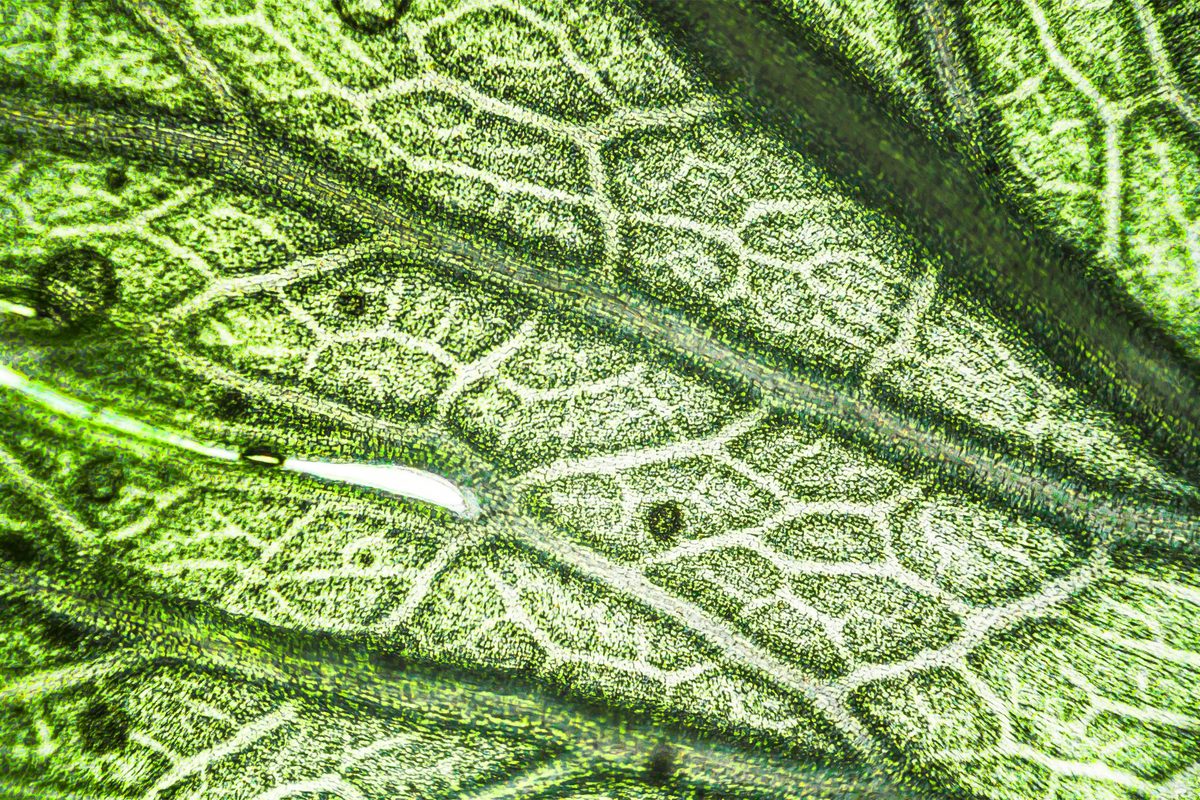
In laboratories and greenhouses at Rutgers University-New Brunswick – alongside collaborators at the University of Massachusetts Amherst, University of Florida and Bar-Ilan University – scientists are advancing plant breeding innovations to protect one of the world’s most widely used herbs: basil. Now, supported by a $3.2 million grant from the U.S. Department of Agriculture’s National Institute of Food and Agriculture, …
When Drought Hits, Do Dams and Groundwater Soften the Blow?
Droughts are the world’s most widespread natural disaster, and climate change is making them longer, more intense, and possibly more frequent. But how much do droughts actually hurt local economies and can water storage help cushion that blow? A new study tackles these questions on a global scale. Hilary Sigman, RCEI Affiliate and Professor of Economics at Rutgers University, is a co-author of the study along with Sheila Olmstead, Professor at …
Wind Turbines and Fish: Can the East Coast Have Both?
Miles off the coast of New Jersey and New England, two major forces are converging: the rapid expansion of offshore wind energy and some of the most valuable fisheries in the United States. A new editorial published in Fisheries Oceanography takes stock of what we know — and what we urgently need to find out — about how these two uses of …
How Snowstorms Can Trigger More Dangerous Flooding in New Jersey
An article from Inside Climate News examines how powerful winter storms can trigger dangerous coastal flooding in New Jersey—highlighting that nor’easters, not just hurricanes, pose serious risks to the state’s densely populated shoreline. The story focuses on a recent blizzard that blanketed New Jersey with more than two feet of snow and brought strong winds that caused flooding in places …
Researchers Present Blueprint for Joint Meteorology and Atmospheric Composition Program
A collaboration among Rutgers, NASA and other institutions outlines an integrated approach to greenhouse gas and wind observations A study published by the W. M. Keck Institute for Space Studies in collaboration with Rutgers University, NASA’s Jet Propulsion Laboratory and the California Institute of Technology, presents a roadmap for harnessing global-scale trace gas and atmospheric wind observations to improve the …
New Workshop Series Helps SEBS & NJAES Faculty Expand their Research Vision
Faculty from SEBS and NJAES gathered on Rutgers’ Cook Campus in January to kick off a dialogue that the SEBS Office of Research hopes will lead to an increase in the high-quality, cross-disciplinary research at Rutgers that often significantly impacts the state and our society, at large. The in-person event was the kickoff of the office’s inaugural “Charting a Research …
Scientists Prove Shellfish Can Be Farmed Far From Shore
Rutgers research opens new doors for offshore aquaculture in New Jersey Rutgers researchers have made a discovery that could change the future of seafood farming in New Jersey. A study led by marine scientist and RCEI affiliate Daphne Munroe has shown that Atlantic surfclams can be successfully farmed in the open ocean. Her research, published in the North American Journal of Aquaculture, proves that offshore …
China’s Green City Gap: Why Some Urban Areas Are Racing Ahead While Others Fall Behind
Cities across China are transforming to become more environmentally sustainable, but this “green transition” is happening very unevenly—and new research reveals that the biggest gaps aren’t between provinces, but between cities within the same province. A study published in the journal Habitat International examined nearly 300 Chinese cities from 2004 to 2021 to understand why some cities contribute more to environmental inequality than others. Jesse Rodenbiker, RCEI Affiliate …