









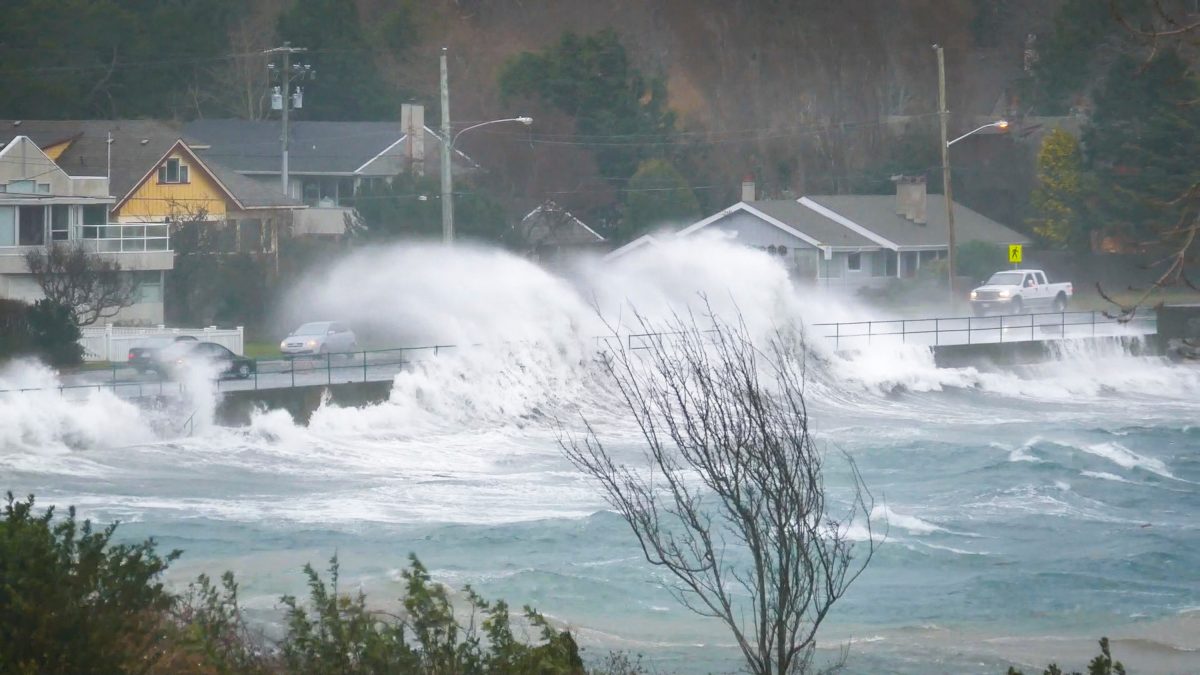
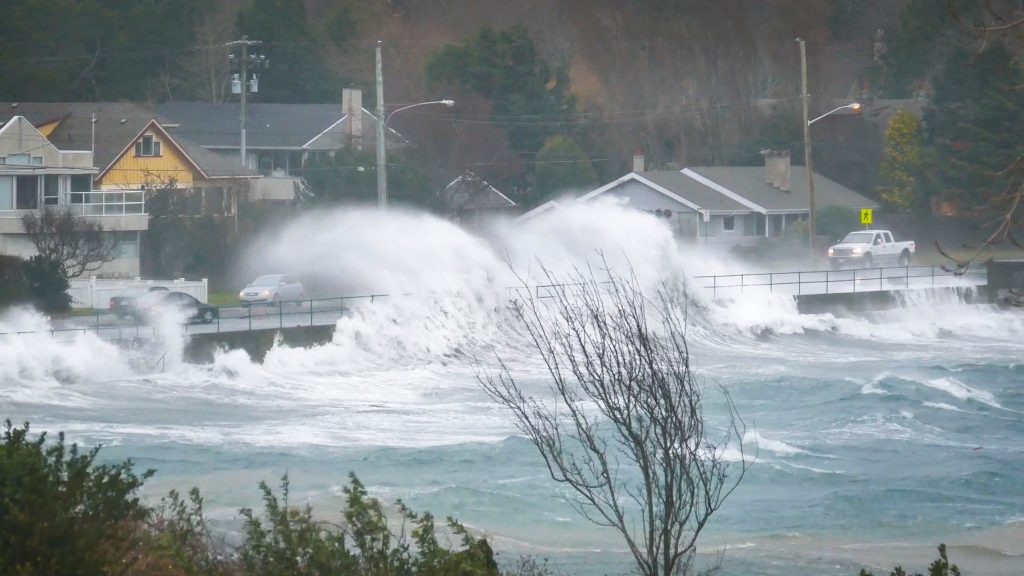
An article from Gothamist explains the growing political and policy conflict in New Jersey over new coastal development regulations designed to address climate change and rising sea levels. The rules—known as the REAL (Resilient Environments and Landscapes) regulations—aim to make coastal communities safer by factoring in future climate risks like sea level rise and stronger storm surges, rather than relying only on historical conditions. These changes are significant because New Jersey faces especially rapid sea level rise and widespread coastal vulnerability, affecting housing, infrastructure, and long-term economic stability.
However, the rules have sparked strong opposition from developers, business groups, and some local officials who argue they will increase construction costs and worsen the state’s affordable housing shortage. This opposition has found a powerful ally in State Senate President Nick Scutari, who is pushing a legislative resolution to overturn or revise the rules, claiming they go beyond federal recommendations and could drive up housing prices. The debate came to a head during an Earth Day legislative hearing, highlighting tensions between climate adaptation efforts and economic concerns.
RCEI Affiliate Anthony Broccoli, a Rutgers climate science professor whose research helped inform the regulations, played a key role in explaining the scientific basis for the rules. Broccoli emphasized how rising sea levels are already increasing the severity of coastal flooding and will continue to do so in the future. For example, he pointed to past and projected storm impacts, stating, “Hurricane Sandy was an extreme example, producing five to nine feet of storm surge along much of the New Jersey coast.” This quote underscores the real-world dangers that the regulations are meant to address, using a well-known disaster to illustrate the stakes.
Broccoli also warned that even less extreme storms could become far more damaging as sea levels rise, noting that “Coupled with a 3-foot rise in sea level, flooding approaching that caused by Hurricane Sandy would become a frequent occurrence.” This highlights the central rationale behind the new rules: without proactive planning, what are currently rare disasters could become routine, putting communities at much greater risk.
Additionally, Broccoli challenged traditional approaches to planning, explaining that “Climate change invalidates this assumption” that future weather will resemble the past. This insight is crucial because it reinforces why policymakers are shifting toward forward-looking regulations based on scientific projections rather than historical data.
Overall, the article illustrates a broader policy dilemma: how to balance urgent climate adaptation with economic and housing concerns. While scientists and environmental advocates argue the rules are necessary to protect New Jersey’s future, opponents fear their immediate costs could hinder development and affordability. The outcome of this debate will have major implications for how the state prepares for climate change.
Read the full article here.
This summary article was written with assistance from Artificial Intelligence, and reviewed and edited by the RCEI Communications Team.
Related posts:
 From Watching the Weather to Tracking Earth’s Temperature: How Snow Days Led to a Distinguished Career as an Atmospheric Scientist
 Rising Seas and Sinking Cities Signal a Coastal Crisis in China
 How Snowstorms Can Trigger More Dangerous Flooding in New Jersey
 Rutgers Experts Testify at Joint NJ Senate and Assembly Environment Committees Hearing