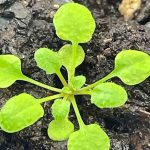



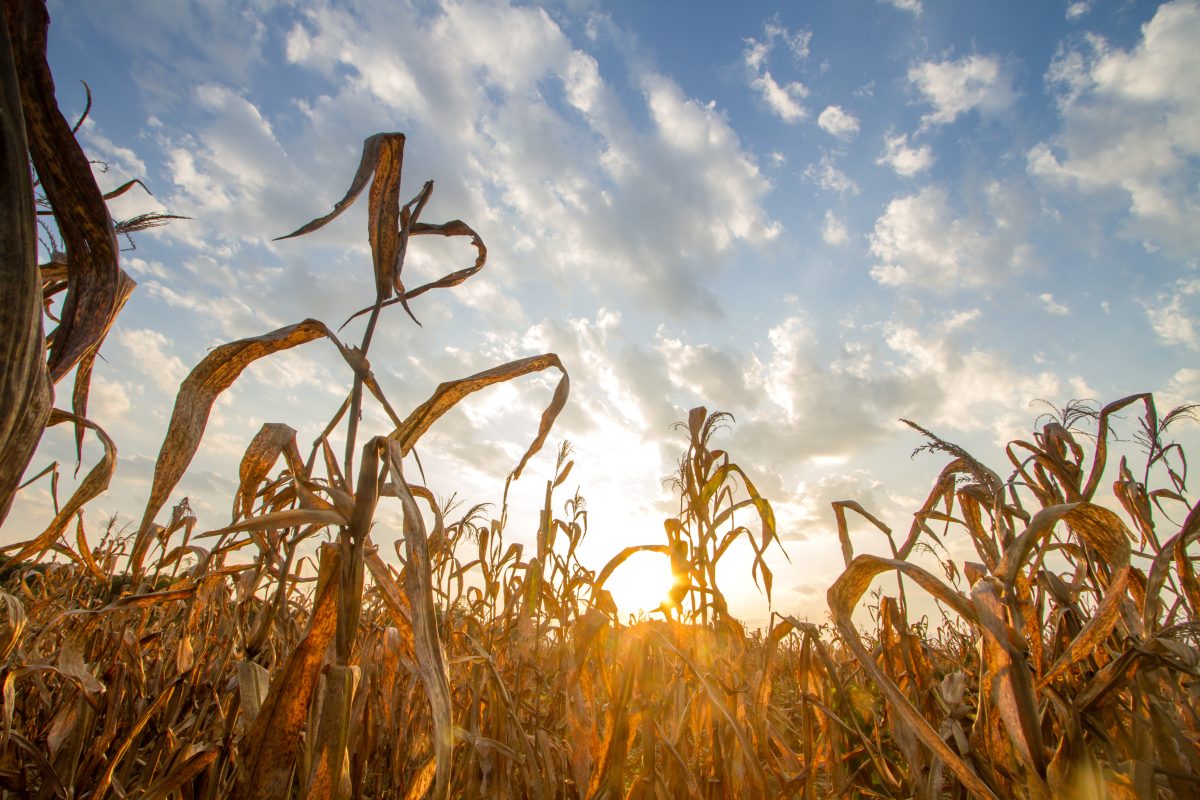
As global temperatures rise and heat waves become more common, farmers and gardeners face a growing challenge: how to keep plants healthy when it’s scorching hot. A new study offers hope by showing that plants can actually “remember” past stressful experiences and use that memory to better handle future heat.
Bingru Huang, RCEI Affiliate, a Distinguished Professor in the Department of Plant Biology and co-author on the study, led an international research team in reviewing how different types of stress—like brief exposure to heat, drought, or cold—can prepare plants to survive extreme heat later on. The research was published in the journal Environmental and Experimental Botany.
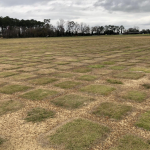
The authors found that when plants experience mild stress early in their lives, they develop a kind of “memory” that helps them cope when serious heat strikes. For example, wheat plants briefly exposed to moderate heat produced more food even when hit with scorching temperatures during their growing season. Similarly, grass used for lawns stayed greener during heat waves if it had experienced some dry conditions beforehand.
This connection to climate change is clear. As temperatures climb worldwide, each degree of warming is expected to reduce crop yields by 3-7%. Finding ways to make plants more heat-tolerant could help protect food supplies for millions of people. The stress priming approach works because it activates the plant’s natural defense systems—boosting protective proteins, improving water use, and strengthening cell membranes before severe heat arrives.
“By understanding how plants build stress memories, we can develop practical strategies to help crops survive increasingly extreme weather,” said Huang. “This could mean timing irrigation differently or breeding varieties that naturally prime themselves for heat tolerance—approaches that don’t require expensive technology but could make a real difference for farmers dealing with climate change.”
Huang also noted that these findings show “a strategy to develop crop varieties through breeding or biotechnology that use natural defense mechanisms, reducing reliance on genetic modification.”
The research points to practical applications: farmers might intentionally expose crops to mild stress at certain growth stages, or plant breeders could select varieties that naturally develop stronger stress memories. These low-cost strategies could be especially valuable because they can create crops more resilient to challenges like drought, heat, and cold, which is important due to the effects of climate change.
You can read the full study here: https://doi.org/10.1016/j.envexpbot.2025.106208
This article was written with assistance from Artificial Intelligence, was reviewed and edited by Oliver Stringham, and was reviewed by Bingru Huang, a co-author on the study.