



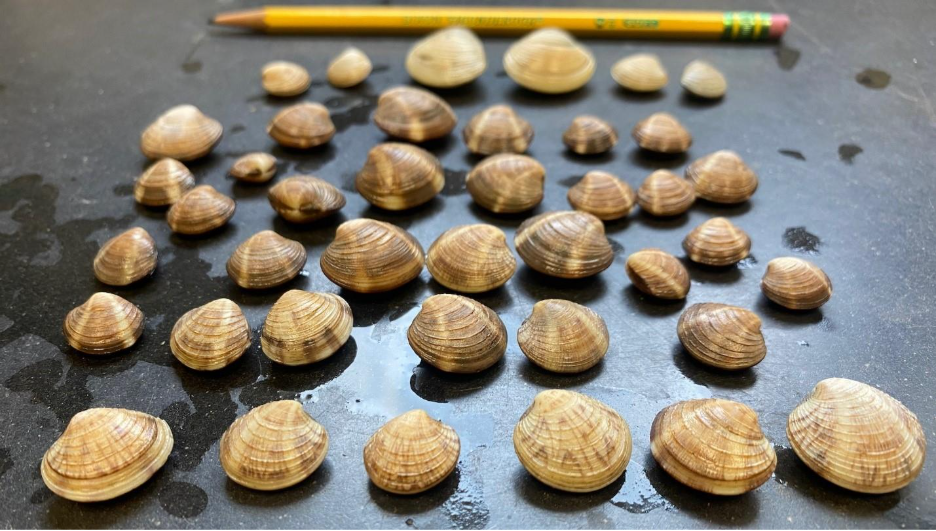
A new study in Aquaculture looked at how tiny oysters and clams (called seed) can carry diseases when moved between hatcheries and farms. The authors wanted to find out which life stages are most at risk, and how careful water treatment can help protect both farmed and wild shellfish.
David Bushek, RCEI Affiliate, a professor in the Department of Marine and Coastal Sciences and Director of the Haskin Shellfish Research Laboratory, is a co-author on the study. You can read the full study here.
The study analyzed data from over 75,000 shellfish sampled over nearly 30 years. It found that young shellfish raised in clean, treated water rarely carried harmful pathogens. But bigger, older oysters grown in untreated (“raw”) water had higher chances of carrying a disease called perkinsosis or dermo. Hard clams showed lower risk overall for all diseases studied.
These findings matter for climate resilience because warming ocean waters can make shellfish diseases spread faster and become more severe. As climate change increases stress on marine life, healthy hatchery practices like water treatment become even more important to prevent large outbreaks. Stopping diseases early helps protect farm jobs, coastal economies, and wild shellfish that also face climate-driven challenges like rising temperatures and changing salinity.
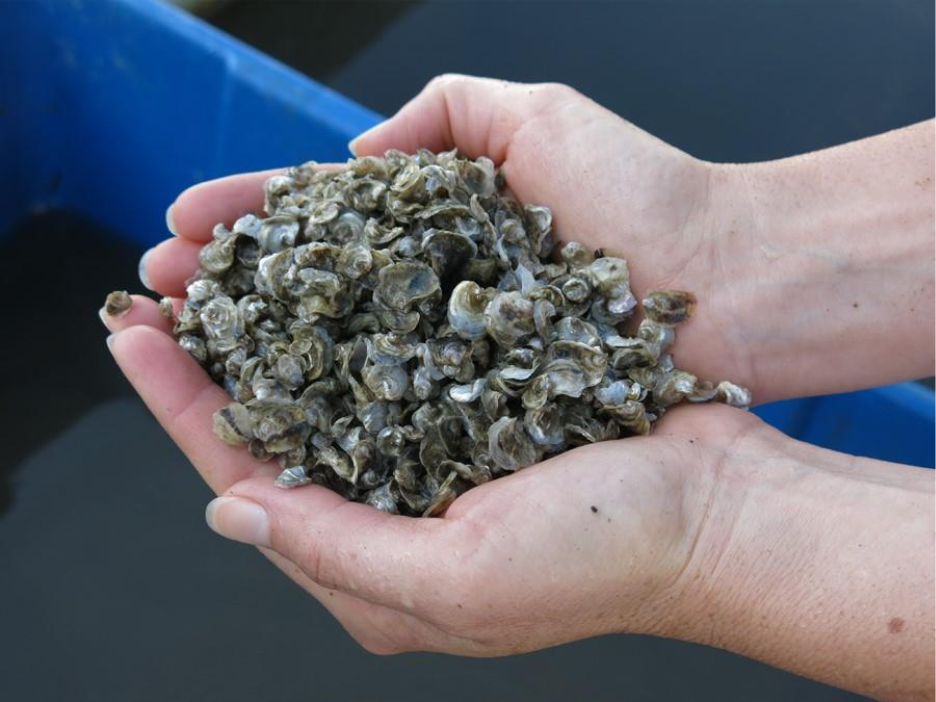
The study shows that treating water at hatcheries is key to keeping seed disease-free, which helps shellfish farmers get reliable, healthy stock. This also supports smarter public policy about moving seed across state lines.
“By understanding when shellfish are most at risk, we can help farmers and regulators work together to keep diseases out,” says Bushek. “This helps protect local waters, keeps seafood affordable, and supports coastal communities.”
Beyond the science, these results can boost the U.S. aquaculture industry’s competitiveness, making it safer to grow more seafood sustainably. This research supports the Regional Shellfish Seed Biosecurity Program (rssbp.org) created by Bushek and Dr. Ryan Carnegie of the Virginia Institute of Marine Science with support from Sea Grant and USDA to minimize the risk of transferring disease within the shellfish aquaculture industry.
This article was written with assistance from Artificial Intelligence, was reviewed and edited by Oliver Stringham, and was reviewed and edited by David Bushek, a co-author on the study.
Related posts:
 Surf Clams Off the Coast of Virginia Reappear – and Rebound
 Researchers, U.S. Military Install Concrete Modules With Self-Healing Oyster Reef Structure in Florida Panhandle Bay to Protect Base
 Rutgers Immersive Learning through Science Storytelling Lab Fosters Student Success and Interdisciplinary Partnerships
 Clams Grew Slower in Warmer Ancient Seas, Study Finds