








An article from The SandPaper reports on the appointment of a new New Jersey state climatologist and the climate challenges currently affecting the region, including extreme heat, heavy rainstorms, and ongoing drought conditions. The piece introduces RCEI Affiliate John Krasting, who recently assumed the role after a long-serving predecessor, and explains why his work is important as the state faces both short-term weather extremes and long-term climate risks.
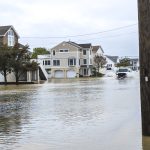
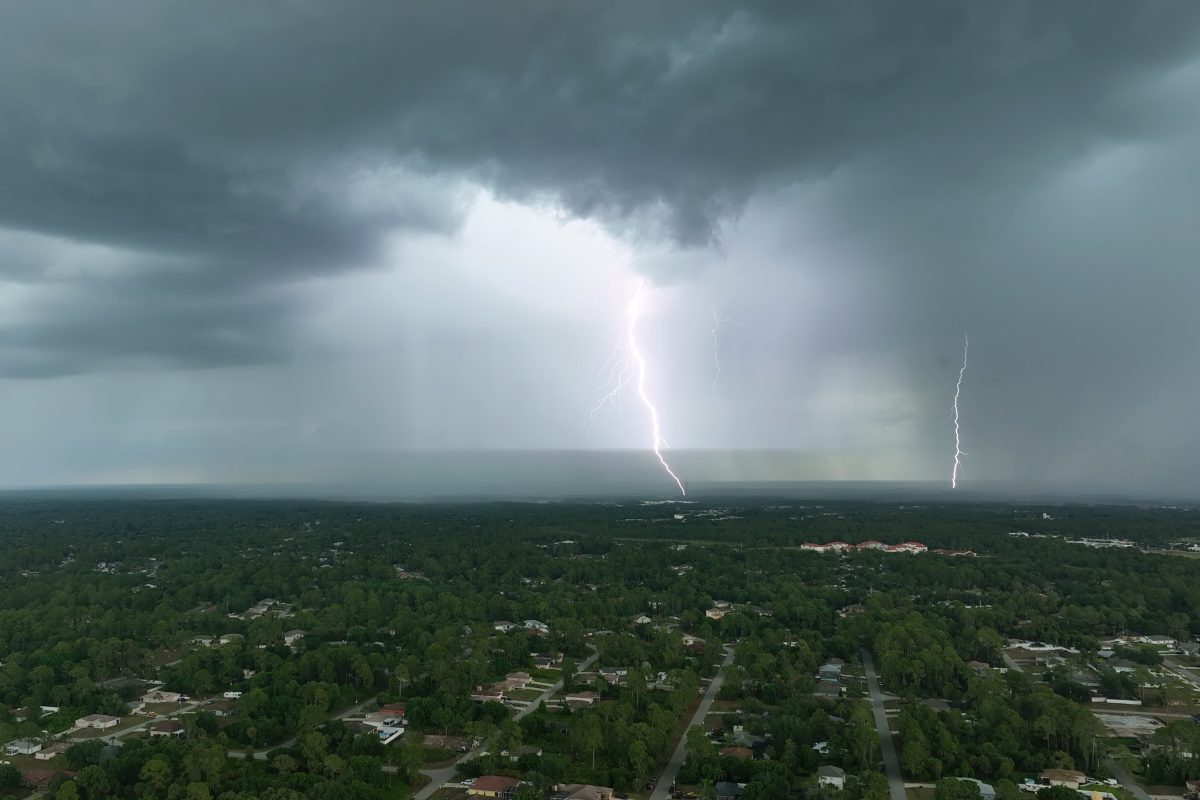
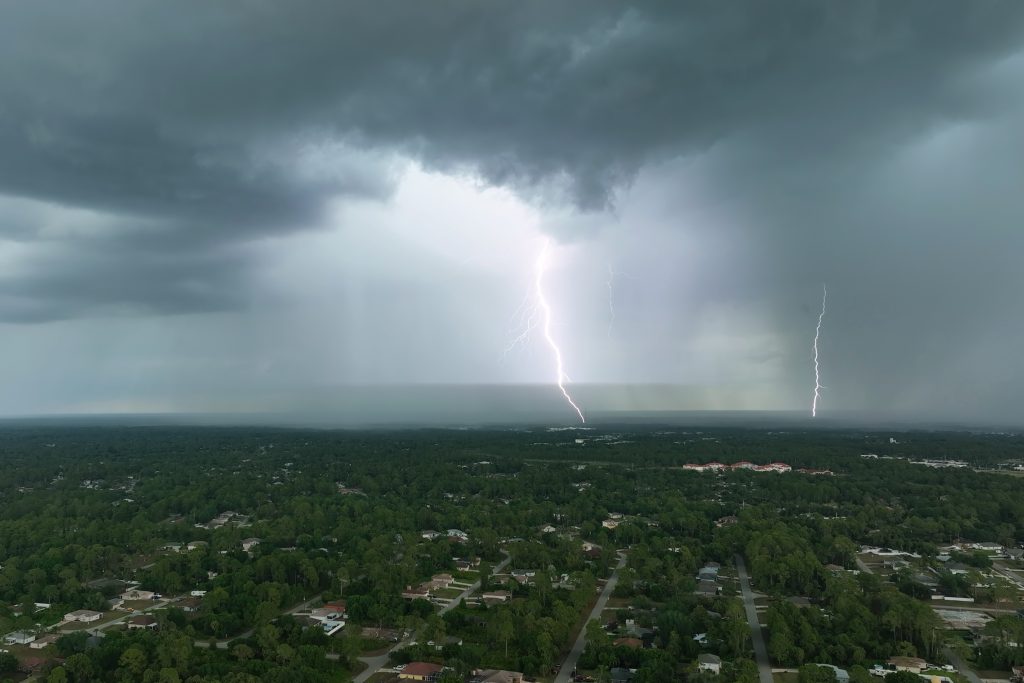
Krasting, a professor of Environmental Sciences at Rutgers University with extensive experience in climate and ocean modeling, brings expertise in sea-level rise, coastal flooding, and climate risk. The article emphasizes that his leadership comes at a critical time, as New Jersey is experiencing unusually high temperatures, inconsistent rainfall, and worsening drought conditions. His first responsibility in the role involved tracking a severe Fourth of July heat wave, during which temperatures in some areas exceeded 100 degrees, followed by intense rainstorms that caused localized flooding but did little to alleviate broader drought conditions .
The article highlights Krasting’s insights into the long-term climate outlook for the state, particularly rising sea levels. He explains, “Over the last century, New Jersey’s sea levels have been rising at a rate about three times the global average,” noting that both land subsidence and ocean warming are driving this trend. This underscores the urgency of climate adaptation in coastal communities, where flooding is becoming more frequent and severe. He adds, “What once seemed like a distant forecast of rising oceans is already here,” pointing to the increasing regularity of high-tide flooding in places like Atlantic City. This message statements is significant, connecting scientific research to real, observable impacts affecting residents today.
In addition to long-term concerns, Krasting addresses the state’s immediate drought conditions, stating that “23 of the last 26 months have seen below-average rainfall,” which explains why even heavy storms have not significantly improved water shortages. This observation reinforces the complexity of climate change, where extreme weather events can occur alongside persistent dry conditions.
The article also emphasizes Krasting’s vision for a more accessible and community-focused state climate office. He stresses the importance of public engagement, saying success would mean that “every New Jerseyan feels that they can pick up the phone” and access reliable climate information. This reflects his goal of making climate science more relatable and actionable for residents.
Overall, the article illustrates how New Jersey is confronting a combination of immediate weather extremes and long-term environmental changes, and how Krasting’s role as state climatologist is central to understanding and addressing these challenges.
Read the full article here.
This summary article was written with assistance from Artificial Intelligence, and reviewed and edited by the RCEI Communications Team.