




An article from WHYY reports on New Jersey’s newly finalized coastal building regulations that require new construction in flood-prone areas along the Jersey Shore to be built significantly higher to account for future sea level rise driven by climate change .
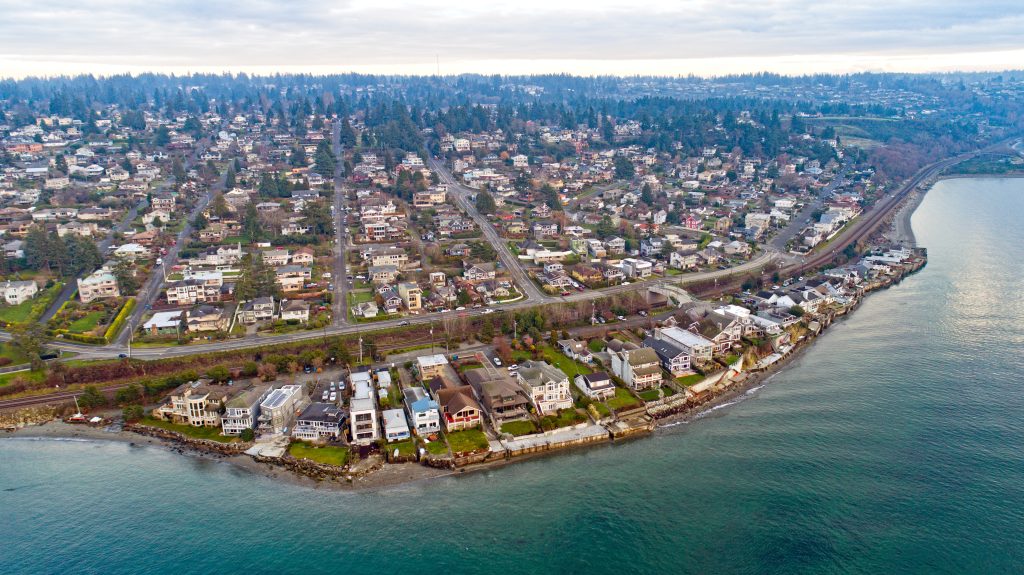
The story explains that, starting this summer, new homes and some substantially renovated buildings in designated coastal flood zones must have their first floors elevated four feet above current requirements. State officials say the rule is meant to ensure buildings constructed today remain safe and usable through the end of the century, as rising seas, land subsidence, and stronger storms increase flooding risks. The updated standard reflects the upper range of sea level rise projections for New Jersey by 2100 and slightly expands the land area where stricter elevation rules apply. While some local officials and business groups worry about added costs or impacts on historic homes, supporters argue the changes are a necessary, science-based step to protect lives, property, and long-term public investments along the coast.
The article prominently features insights from Marjorie Kaplan, Senior Associate Director of RCEI and Senior Associate Director of the New Jersey Climate Change Resource Center, who helps frame the regulation as a forward-looking response to climate risk. Kaplan emphasizes the projected longer lifespan of improved coastal infrastructure, saying, “If you construct something today, … we could expect that it will live through the end of the century. So, it just seems prudent to be protective.” She underscores why planning for future conditions—not just current ones—is central to the new rules.
Scientific context for the elevation standard is further explained by RCEI Affiliate Janine Barr, who connects the four-foot requirement directly to peer-reviewed sea level rise projections. Barr notes that the added height aligns with the upper range of what scientists expect New Jersey could experience by 2100, based on factors such as ocean warming, melting ice, and the gradual sinking of the state’s land. Her explanation helps readers understand that the regulation is grounded in climate science rather than arbitrary policymaking.
Together, Kaplan’s and Barr’s contributions clarify why New Jersey officials see higher elevation standards as a critical adaptation measure—one intended to reduce future flood damage, avoid costly retrofits, and better protect coastal communities as climate impacts intensify.
Read the full article here.