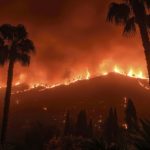



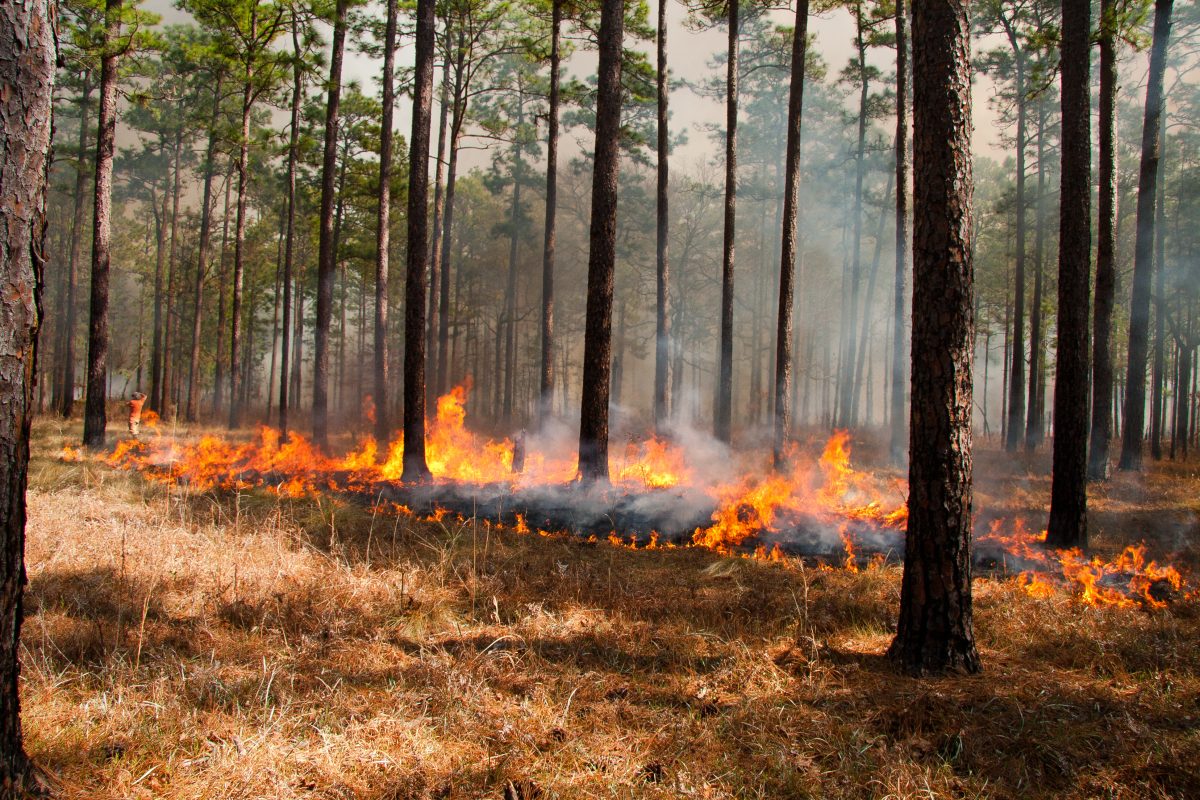
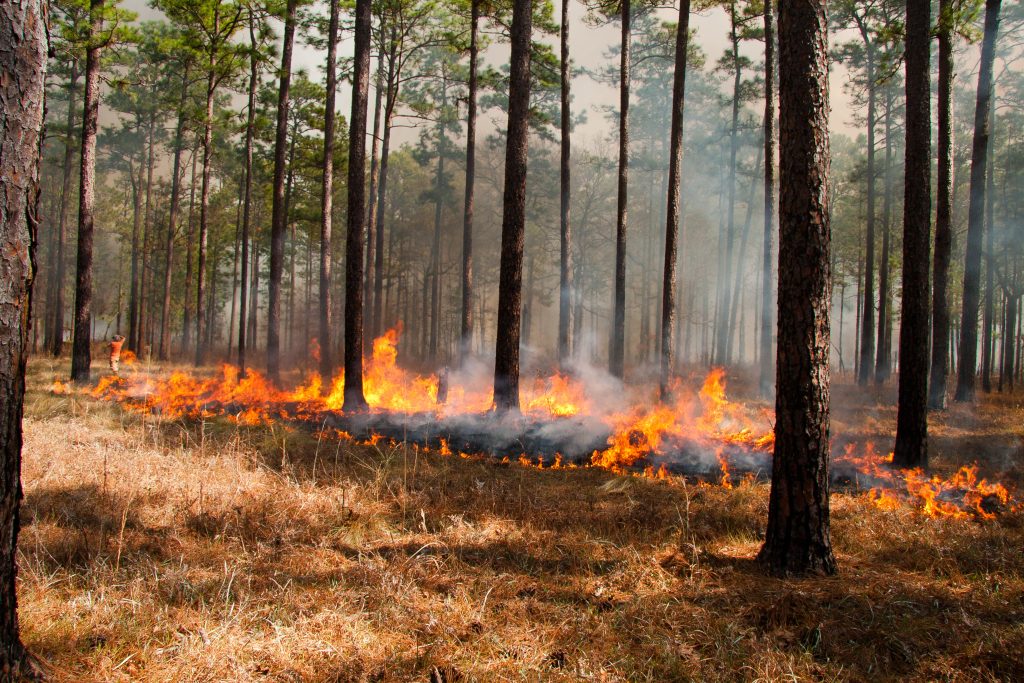
An article from New York Times examines whether New York City should consider using controlled burns in its parks after an unusual series of wildfires burned sections of several urban forests, including areas of Brooklyn’s Prospect Park and Manhattan’s Inwood Hill Park. The fires, which were alarming to residents, created a rare opportunity for scientists to study how urban ecosystems respond to fire—an event that rarely occurs in city parks. As climate change increases wildfire risk in many regions, researchers are trying to understand whether fire could be used as a management tool to restore habitats or reduce future wildfire danger. However, early studies of the burned areas are producing conflicting conclusions about whether fire helps or harms urban ecosystems.
One group of researchers argues that fire may benefit native plants by clearing space and enriching soil nutrients, which can help native species rebound. But a separate study led by RCEI Affiliate Myla Aronson, an assistant professor at Rutgers University who specializes in urban ecology, found evidence suggesting the opposite effect. Aronson and her team surveyed several burned park areas and discovered that invasive plants often returned more aggressively than native ones after the fires. According to their findings, burned areas had dramatically higher numbers of nonnative tree seedlings—nearly 2,000 percent more than in unburned sections—indicating that disturbance from fire may actually favor invasive species.
Aronson explained that many invasive plants are particularly well adapted to quickly colonize disturbed environments. As she noted, “Most of the invasives that we see don’t respond negatively to burning.” This observation is significant because it challenges the idea that fire could be a simple ecological solution for restoring native vegetation in urban parks. If invasive plants rebound even more strongly after a burn, the long-term health of the ecosystem could be compromised.
Aronson also emphasized that the effects of fire in urban forests are complex and may only become clear after years of monitoring. Early in the research, her team observed encouraging signs of native plant recovery, but those results changed as invasive species began spreading again over time. This highlights the difficulty of studying wildfire ecology, especially in urban settings where ecosystems are already heavily influenced by human activity and nonnative species.
Both research teams agree that more time and data are needed before firm conclusions can be drawn. Forest ecosystems take decades to develop, and scientists say several years of study will be necessary to determine whether fire ultimately benefits or harms New York City’s park landscapes. In the meantime, the research provides valuable insight for park managers who must decide how to respond to increasing wildfire risks and how best to support the recovery of urban forests.
Read the full article here.