








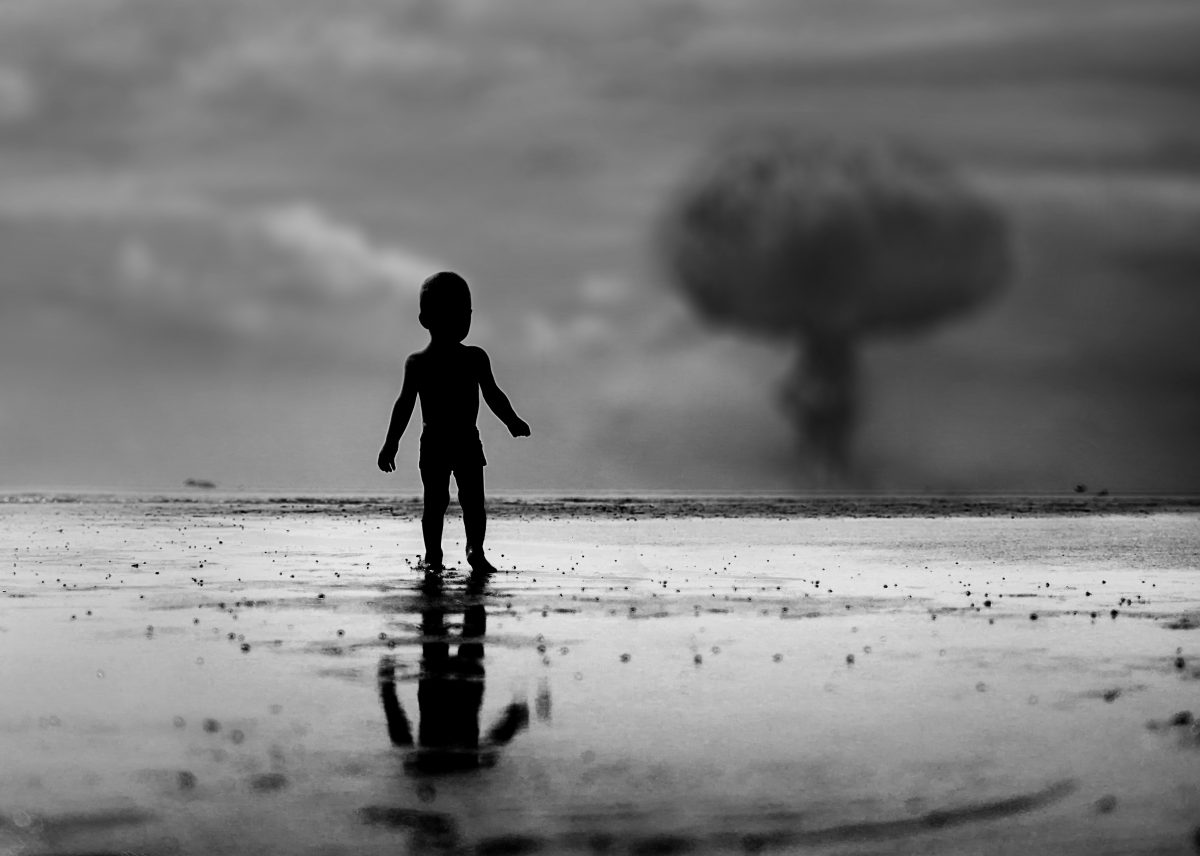
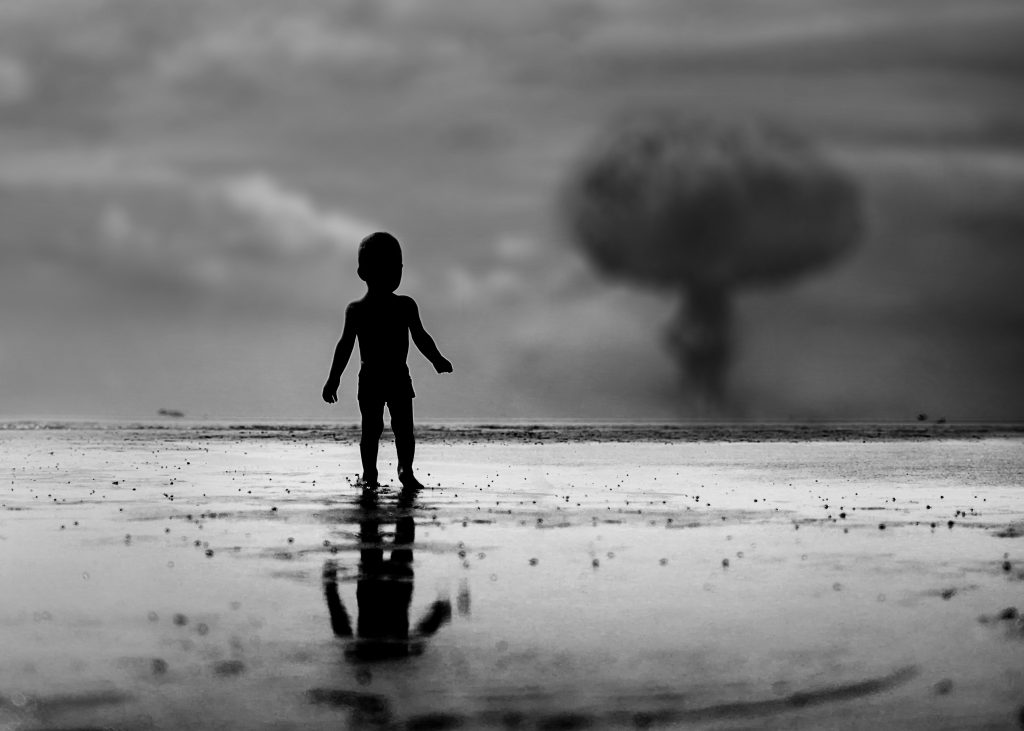
An article from Physics Today, co-authored by RCEI affiliates Alan Robock and Lili Xia, examines the often-overlooked global consequences of nuclear war, arguing that current military strategies and policy discussions dangerously underestimate its full environmental and societal impacts. Drawing on decades of scientific research and recent reports, the authors emphasize that even a limited nuclear conflict could trigger catastrophic changes to Earth’s climate, ecosystems, and food systems—effects that extend far beyond the immediate destruction of explosions.
The article begins by tracing the history of nuclear weapons and early concerns about their large-scale consequences. While initial studies focused on radioactive fallout and atmospheric damage, scientists in the 1980s identified the possibility of “nuclear winter,” in which smoke from massive fires blocks sunlight and drastically cools the planet. This discovery played a key role in Cold War arms reduction efforts. However, today’s geopolitical landscape—with multiple nuclear-armed states, growing arsenals, and weakening arms control agreements—has renewed the risk while diminishing attention to these long-term dangers.
A central argument of the article is that modern nuclear planning largely ignores the broader environmental and humanitarian consequences of nuclear war. Current models used by defense agencies tend to focus on immediate blast effects and short-term military outcomes, failing to account for long-term climate disruption, global famine, and societal collapse. Recent reports from the National Academies highlight this gap and call for more comprehensive modeling that includes climatic, ecological, and social impacts.
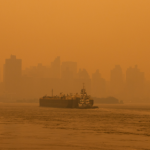
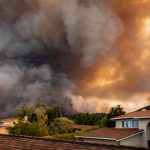
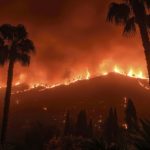
Using advanced climate simulations, scientists now better understand how nuclear war could alter the Earth system. Fires ignited in cities would release massive amounts of black smoke into the atmosphere, reducing sunlight, lowering global temperatures, and disrupting precipitation patterns. Even a relatively small regional conflict could inject enough smoke to cause unprecedented climate changes, while a large-scale war could lead to years of extreme cold and darkness. These environmental shifts would severely damage agriculture and marine ecosystems, leading to widespread food shortages.
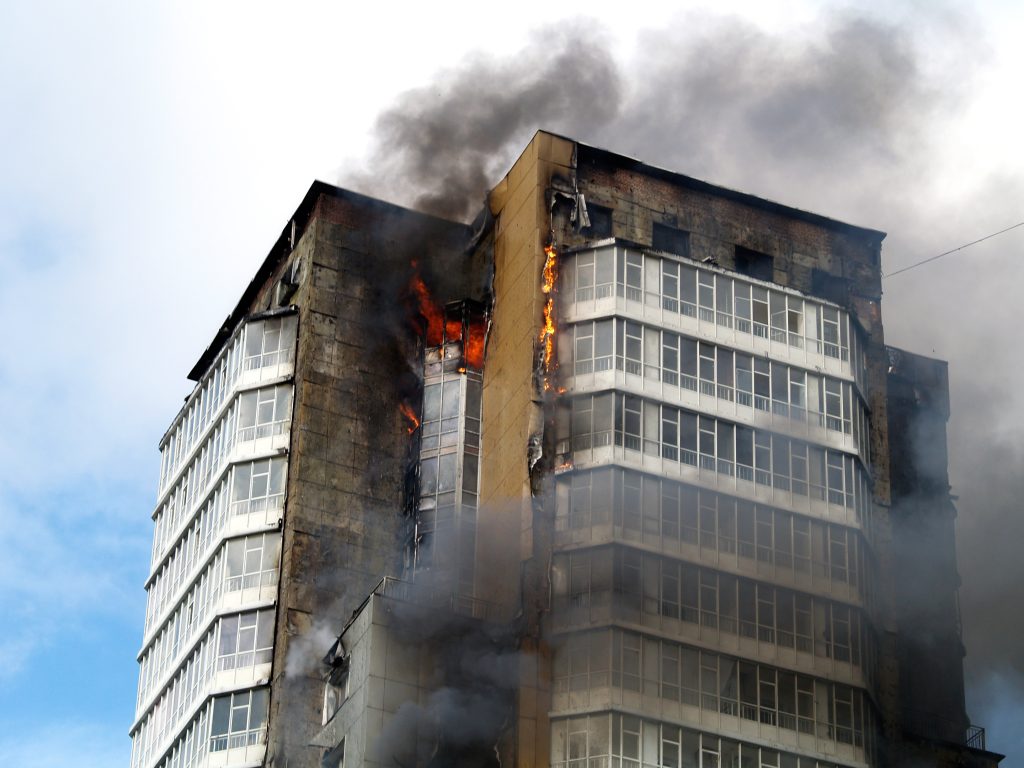
The article underscores that the greatest threat to humanity may not be the explosions themselves but the collapse of global food systems. Reduced crop yields, disrupted fisheries, and breakdowns in international trade could trigger famine on an immense scale. In smaller conflict scenarios, up to 1–2 billion people could face starvation; in a large-scale war, the majority of the global population could be at risk. These estimates may even be conservative, as they do not fully account for infrastructure damage, social instability, or additional environmental effects like ozone depletion.
Despite advances in modeling, significant uncertainties remain, particularly regarding how fires would spread in modern cities and how much smoke would ultimately reach the upper atmosphere. The article calls for more research into these factors, as well as better integration of scientific findings into policy decisions. It stresses that scientists have a responsibility not only to study nuclear weapons but also to communicate their full risks to policymakers and the public.
In conclusion, the Robock and Xia argue that ignoring the global consequences of nuclear war is both dangerous and irresponsible. They advocate for expanded research, improved modeling, and stronger engagement between scientists and decision-makers to ensure that nuclear policies reflect the true scale of potential harm. International efforts, including new United Nations studies and disarmament initiatives, offer some hope, but the urgency of the issue remains clear: nuclear war is not just a military concern but a planetary threat.
Read the full article here.
This summary article was written with assistance from Artificial Intelligence, and reviewed and edited by the RCEI Communications Team.