


Using AI to Better Monitor Rising Seas and Flood Risks 

Edith Zhao2025, Affiliate Research

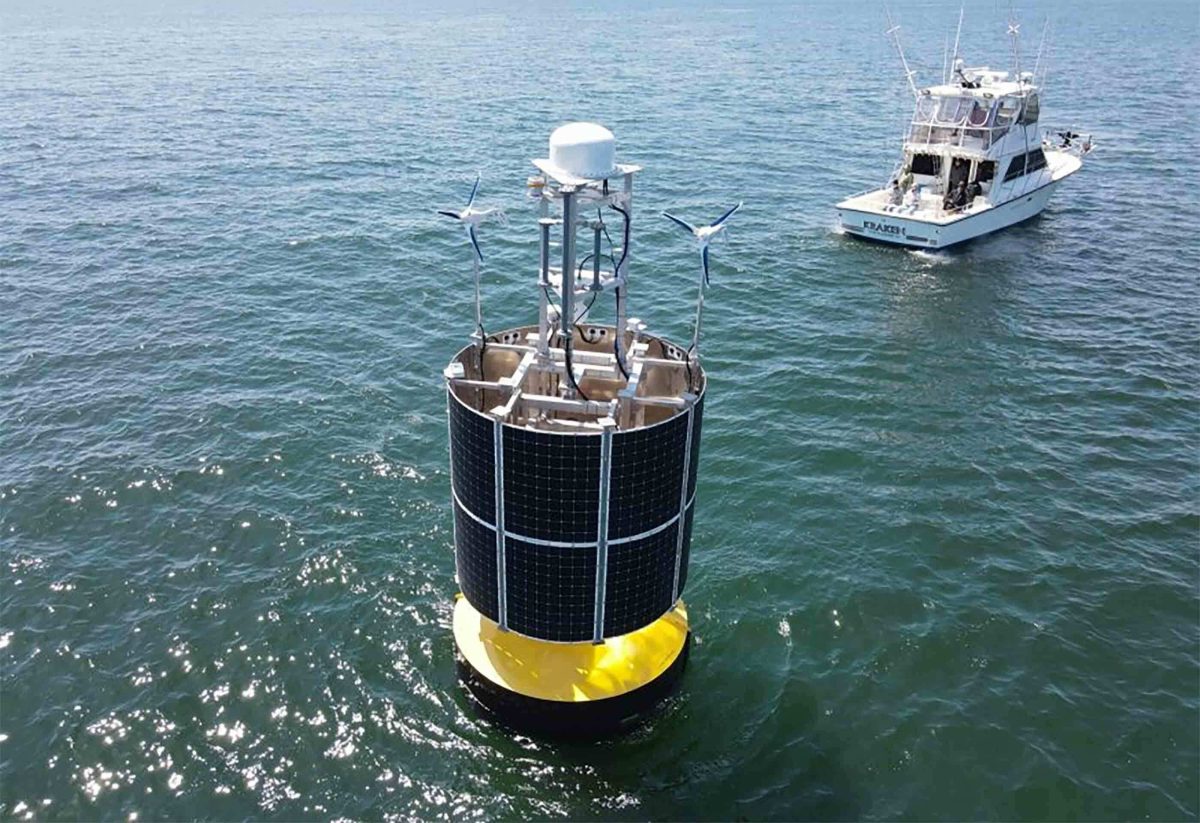
Coastal communities are on the frontlines of climate change. Rising seas, stronger storms, and more frequent flooding put homes, infrastructure, and lives at risk, especially social and economically vulnerable communities, such as Puerto Rico. A new study published in Scientific Reports introduces an innovative, AI-powered framework to track and analyze coastal water levels in places that lack advanced monitoring systems.  …

James Shope Discusses Expanding Climate Education at NYC Green School Conference

Edith Zhao2025, Affiliate News

An article from The New Indian highlights how James Shope, RCEI Affiliate and Assistant Extension Specialist in Climate Services at Rutgers University, presented New Jersey’s innovative approach to climate education at the NYC Green School Conference. The piece focuses on a statewide, multi-university program that brings together four institutions to provide region-specific climate education. This initiative, supported by the “Expanding …

Smarter Microgrids Could Make Clean Energy More Reliable

Edith Zhao2025, Affiliate Research

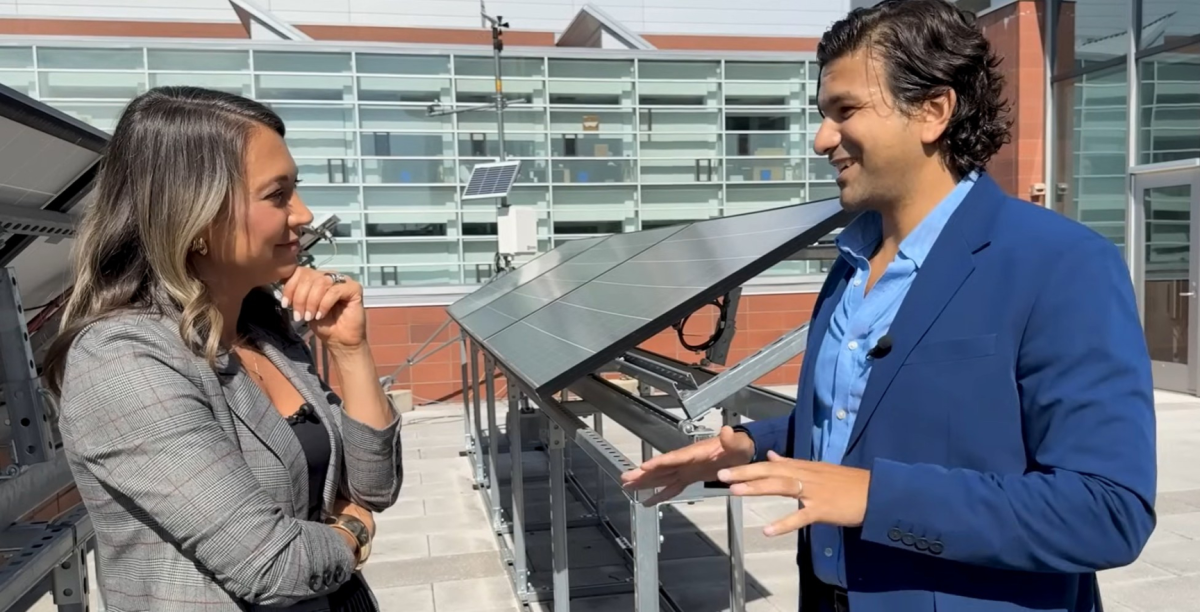
Keeping the lights on during storms, blackouts, or equipment failures is a growing challenge as we shift toward renewable energy. A new study published in Computers & Industrial Engineering explores how advanced artificial intelligence (AI) can help design microgrids—localized energy systems that combine solar, wind, batteries, and other sources—to be both cost-effective and highly reliable.  The study was co-authored by …

What Happens When Wind Farms Get Old?

Edith Zhao2025, Affiliate Research

As more wind farms around the world get older, big decisions need to be made: should they keep running, be upgraded with new parts, or be shut down completely? Answering these questions requires accurate assessments of their reliability—how frequently failures occur and how costly those failures are. A new study in the journal Wind Energy takes a close look at …

Early-Career SEBS Faculty Forge New Connections at Back-To-School Retreat

Edith Zhao2025, Affiliate News

“My biggest takeaway was that your Rutgers experience is what you make of it.”  This comment from Meishka Mitchell, a new lecturer in the Department of Human Ecology, came after attending the SEBS Early Career Faculty Retreat in late August. In this event coordinated by the SEBS Office of Research and hosted at Rutgers Gardens, more than 50 early-career SEBS …

Tagging Fluke through the FiTREP Program Managed by Rutgers

Edith Zhao2025, Affiliate News

The original article, “Tagging Fluke,” is reprinted, with permission, by On The Water magazine. Paul Ziajski, owner of Great Bay Outfitters, is the primary author of this article. Chase Wunder, the Margaret A. Davidson Graduate Fellow at the Jacques Cousteau National Estuarine Research Reserve, who is pursuing a master’s degree in Ecology and Evolution at Rutgers, contributed to this article. Hundreds of customers …

Dancing For Change: Movement to Inspire Climate Action  

Edith Zhao2025, Affiliate Focus

Cristina Marte has always known that movement holds power, and she has spent her life sharing that power with others. As a dancer, educator, curriculum designer, and advocate, she has built a career around the belief that dance is not only performative, but also emotional, educational, and transformative. She has been able to make these connections with environmental issues, including climate change. This belief in the power of movement deeply informs her approach to education …

Read More

Smarter Transportation Systems Could Cut Wait Times for Drivers 

Edith Zhao2025, Affiliate Research

Finding a parking spot at a busy shopping mall or waiting to charge an electric vehicle can be frustrating. A new study published in IEEE Transactions on Intelligent Transportation Systems explores how to make these everyday challenges easier. The authors developed a computer framework called ‘Multi-Personality Multi-Agent Meta-Reinforcement Learning’, which helps transportation systems adapt faster and coordinate better. You can …

What Bees Can Tell Us About Conservation and Land Use 

Edith Zhao2025, Affiliate Research

A new study has challenged a long-held belief in ecology: that a bee’s body size determines how far it travels and, in turn, how much land around it matters. The authors of the study, published in Ecography, tested this idea—called the “mobility hypothesis”—by analyzing 84 species of wild bees across 165 sites in the northeastern U.S. What they found was …

New Arctic Bacteria Could Help Us Understand Climate Change’s Impact on Carbon Release

Edith Zhao2025, Affiliate Research

In a recent study published in ISME Communications, researchers discovered five brand-new species of cold-loving bacteria in the Arctic tundra of northern Finland. Lee Kerkhof, RCEI Affiliate, Professor in the Department of Marine and Coastal Sciences, and Max Häggblom, RCEI Affiliate, Distinguished Professor in the Department of Biochemistry and Microbiology, were co-authors on the study done in collaboration with Minna …